HMS Diamond tests Sea Viper


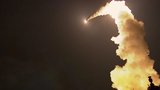
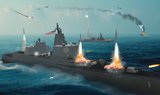
The Royal Navy’s HMS Diamond has tested its Sea Viper missile system off the coast of Scotland, the navy announced on 19 May.
The firing was part of the work-up period for the Type 45 destroyer ahead of its deployment on operations later in 2017.
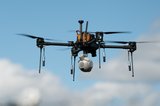
During the test, the missile accelerated to Mach 4 (four times the speed of sound) before successfully destroying its target - an incoming Mirach drone target moving at around 500mph – in a scenario designed to simulate a projectile attack on the ship.
Sea Viper consists of the Sampson radar system and the Aster missile system. The system tracks aircraft and other objects across thousands of cubic miles of airspace, identifies threats, and destroys them when necessary.
HMS Diamond’s training package is now complete and the vessel will return to Portsmouth for a final period of preparations before deploying later this year.

More from Defence Notes
-
![India’s strategic defence footprint expansion could be accelerated by Iran-Israel conflict]()
India’s strategic defence footprint expansion could be accelerated by Iran-Israel conflict
The latest escalation between Iran and Israel could shape New Delhi’s next-generation shield as India deepens cooperation with Israel on missile defence and drone production.
-
![New Zealand buys tri-service uncrewed kit from Syos Aerospace]()
New Zealand buys tri-service uncrewed kit from Syos Aerospace
As uncrewed technology continues to play an increasingly central role in modern military activities, New Zealand’s recent acquisitions point towards its the force’s focus on cost-effective capability.
-
![Golden Dome for America hits one-year mark but key questions remain on its progress]()
Golden Dome for America hits one-year mark but key questions remain on its progress
Integration issues, bureaucracy and undefined policies and authorities could hamper the full implementation of the “shield” to defend the US territory against aerial threats.
-
![US Air Force pushes Sentinel’s initial capability to early 2030s despite China’s nuclear progress]()
US Air Force pushes Sentinel’s initial capability to early 2030s despite China’s nuclear progress
While the US struggles to modernise the 50-year-old land leg of its nuclear triad, China has been rapidly developing and fielding new nuclear capabilities.