What would supplying Western fighter jets mean for Ukraine?
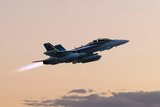
Kyiv has been asking for F-16s. (Photo: USAF)
The country currently operates a Soviet-era fleet of fast jets, including Su-24s, Su-25s, Su-27s and MiG-29s that have been in service for over 20 years.


As the conflict in Ukraine evolves, requests for military equipment and technologies from Kyiv have been changing. Currently, President Volodymyr Zelensky’s armed forces say they are in urgent need of fighter jets.
The country currently has a Soviet-era fleet of fixed-wing combat aircraft, including the Su-24, Su-25, Su-27 and MiG-29, that have been in service for over two decades.
Apart from operating ageing systems, Ukraine has also lost 55 fighter jets since the war started in February 2022 according to open-source intelligence site Oryx. Shephard Defence Insight notes that Zelensky’s armies currently have around 60 fighter
Our news & analysis is now part of Defence Insight®
A Basic-level or higher Defence Insight subscription is now required to view this content.

More from Air Warfare
-
![Canada targets 2028 operational debut for AIM-9X and AIM-120D missiles]()
Canada targets 2028 operational debut for AIM-9X and AIM-120D missiles
The missile programmes form part of a broader effort to strengthen Canadian air-combat readiness as the RCAF transitions from the CF-188 to the F-35A and rebuilds its operational weapons stocks.
-
![AIM-260 JATM deal puts Australia’s missile-industrial ambitions in focus]()
AIM-260 JATM deal puts Australia’s missile-industrial ambitions in focus
While a potentially accelerated acquisition timeline could strengthen the RAAF’s long-range air combat capability, Canberra’s continued reliance on US missile production is also put under the spotlight in parallel to its push to build a sovereign industry.
-
![Attack drones versus CUAS – the future of warfare or just another trend?]()
Attack drones versus CUAS – the future of warfare or just another trend?
Demand signals for counter-drone technology are strong and the market is becoming crowded, but is this really the beginning of a new phase of warfare or will commentators be talking about something else 10 years from now?