US says F-35 and MQ-9 sale to UAE still ‘on the table’
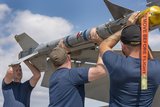
The UAE's interest in acquiring F-35s remains despite the recent Rafale buy, but technology transfer issues are still a concern. (Photo: USAF)
Almost two years in the making, a deal between the United Arab Emirates and the US for F-35 fighters and MQ-9 UAS could still happen.


The UAE’s $23 billion buy of Lockheed Martin F-35 fighter jets, General Atomics Aeronautical Systems Inc. (GA-ASI) MQ-9 MALE UAVs and other munitions could yet go ahead, despite suffering setbacks since initially being approved by the US State Department in November 2020.
The overall package includes up to 50 F-35A fifth generation fighters, a maximum of 18 MQ-9B Reaper aircraft and additional weapons like Raytheon’s AIM-9X Block II+ missile but has reportedly suffered from disagreements over access to onboard technologies and US security concerns over the UAE favouring Chinese telecommunications provider Huawei for its 5G networks.
‘The proposed sale of
Our news & analysis is now part of Defence Insight®
A Basic-level or higher Defence Insight subscription is now required to view this content.

More from Air Warfare
-
![Attack drones versus CUAS – the future of warfare or just another trend?]()
Attack drones versus CUAS – the future of warfare or just another trend?
Demand signals for counter-drone technology are strong and the market is becoming crowded, but is this really the beginning of a new phase of warfare or will commentators be talking about something else 10 years from now?
-
![The 2020s: a decade of UAV spending growth]()
The 2020s: a decade of UAV spending growth
Total annual drone spending has increased nearly sixfold since the start of the decade, from $2.9 billion in 2020 to $16.3 billion in 2028, with Europe leading the rise.
-
![July drone digest: Sovereign production takes centre stage at Farnborough]()
July drone digest: Sovereign production takes centre stage at Farnborough
Farnborough International Airshow (FIA) 2026 revealed the growing scale of the UK’s uncrewed ambitions, with companies showcasing new CCA, autonomous wingmen and surveillance drones, while sovereign production emerged as a key factor for multiple programmes.
-
![July air forces review: Farnborough steals the headlines as programmes develop]()
July air forces review: Farnborough steals the headlines as programmes develop
The biannual Farnborough International Airshow 2026 was the backdrop in July for scores of deals, partnerships and announcements, including developments in the multinational next-generation Global Combat Air Programme and the UK’s $486 million trainer aircraft requirement.