Ex-Belarus MiG-29s bolster Serbian Air Force
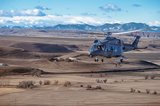
A MiG-29 is loaded onto a cargo aircraft before delivery from Belarus to Serbia. (Photo: 558 ARZ)
Serbia is receiving MiG-29s from Belarus while the Balkan country also upgrades its existing fleet of seven single-seater MiG-29s.


Serbia has received its first pair of modernised MiG-29 fighters from Belarus, with two more to follow under a February 2019 government-to-government deal.
The two Soviet-era aircraft, built in the so-called 9-13 configuration, were cycled through a general overhaul and airframe life extension before Belarus-based MRO company 558 ARZ delivered the MiG-29s to Serbia on 16 April.
The Serbian MoD covered the cost of the overhaul, although the cost remains undisclosed.
Belarus also agreed in February 2019 to donate two Buk (SA-11 Gadfly) ground-based air defence (GBAD) systems to Serbia, with overhaul costs covered by Belgrade — but there
Our news & analysis is now part of Defence Insight®
A Basic-level or higher Defence Insight subscription is now required to view this content.

More from Air Warfare
-
![USAF eyes sensor and weapon upgrades as MH-139A Grey Wolf achieves IOC]()
USAF eyes sensor and weapon upgrades as MH-139A Grey Wolf achieves IOC
The Grey Wolf has entered operational service nearly three years later than originally planned, while new sustainment contracts indicate that some UH-1Ns could remain supported until 2031.
-
![Extending mission readiness: where XR adds real value in pilot, crew and maintenance training]()
Extending mission readiness: where XR adds real value in pilot, crew and maintenance training
Extended reality (XR) is becoming increasingly relevant in military aviation training, adding a flexible layer to an integrated ecosystem spanning the pilot, crew, and maintenance domains.
-
![August crewed air review: KC-390 momentum builds as demand in the tanker market grows]()
August crewed air review: KC-390 momentum builds as demand in the tanker market grows
The KC-390 is building a growing international operator base, but competition in the transport and tanker market is increasingly likely to depend on interoperability, commonality and the strength of supporting ecosystems. Meanwhile, Boeing’s KC-46 and Airbus’s A330 also gained ground in August.