Turkish shipyard to refit Nigerian Navy’s flagship
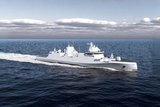
The 125.6m NNS Aradu is the largest ship in the Nigerian Navy. As a multi-purpose frigate, it has anti-air, anti-surface and anti-submarine warfare capabilities. (Photo: Dearsan)
Turkish shipbuilder Dearsan is to refit the MEKO 360 frigate NNS Aradu and supply a 57m Tuzla patrol vessel to Nigeria.


On 6 June, Türkiye’s Dearsan Shipyard signed a contract with the Nigerian Navy in Abuja to overhaul the service’s flagship, the MEKO 360-class frigate NNS Aradu, and deliver a 57m Tuzla-class patrol vessel.
Before the signing ceremony, there were reports in Nigerian and Turkish media outlets that the Nigerian Navy was planning to procure an F-142 frigate from Dearsan. However, the contract does not include the purchase of the frigate, with Nigeria ordering the patrol vessel instead.
The new deal is the second collaboration of Dearsan with Nigeria. The two sides inked a contract for two OPVs on 3 October
Our news & analysis is now part of Defence Insight®
A Basic-level or higher Defence Insight subscription is now required to view this content.

More from Naval Warfare
-
![US Navy $76.6bn award provides stability for submarine production]()
US Navy $76.6bn award provides stability for submarine production
The US Department of War’s US$76.6 billion Columbia-and Virginia-class submarine contract gives industry demand certainty as Washington seeks to rebuild its shipbuilding base.
-
![Dreadnought Phase 4 opens £2.5 billion supply chain opportunity]()
Dreadnought Phase 4 opens £2.5 billion supply chain opportunity
The UK government’s £8.4 billion Dreadnought Phase 4 investment sets aside £2.5 billion for the wider submarine supply chain, opening new work beyond BAE Systems’ prime contract.
-
![Hanwha Ocean deepens US ties and eyes Saudi submarine prospect after Canada setback]()
Hanwha Ocean deepens US ties and eyes Saudi submarine prospect after Canada setback
Hanwha Ocean is deepening ties with the US and eyeing a submarine opportunity in Saudi Arabia, as South Korea looks to convert its Canadian defeat into export momentum.