Systematic selected to provide C2 solution for German F126 Frigates
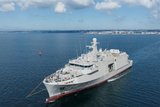
Germany’s F126 frigates will be fitted with Systematic’s maritime C2 solution. (Image: Damen Naval)
The F126 frigate-class has been developed under the MKS 180 frigate programme for the German Navy and has been designed to produce one of the largest German surface warships in more than seven decades.


Danish company Systematic Defence will be rolling an advanced version of its SitaWare Maritime C2 solution onto the German Navy’s newest generation of frigate, the F126, thereby extending its presence from existing platforms into the newest generation.
As part of a contract with DXC Technology Deutschland GmbH, Systematic will supply the ships with the National Maritime C2 Service Bundeswehr (NMC2S Bw).
SitaWare Headquarters has already been in use by the Bundeswehr – the German armed forces – and has been called the Mission Enabling Service Bundeswehr (MESBw).
The new contract will provide additional functionality, via SitaWare Maritime and SitaWare Fusion, culminating in an enhanced maritime C2 system.
Systematic Defence developed SitaWare Naval based on its land-domain counterpart, the SitaWare Headquarters. Similar to other SitaWare products, it adheres to an open, modular systems architecture.
On 1 August 2023, Shephard reported that Systematic was awarded a contract to deliver new SitaWare Maritime Headquarters, Maritime and Fusion software packages to Germany under the country’s BAAINBw German Mission Network Block 2 (GMN 2) project.
Systematic has previously stated that Denmark, Ireland and the UK were customer of the Systematic Maritime system.

You may also like
More from Naval Warfare
-
![Hanwha Ocean deepens US ties and eyes Saudi submarine prospect after Canada setback]()
Hanwha Ocean deepens US ties and eyes Saudi submarine prospect after Canada setback
Hanwha Ocean is deepening ties with the US and eyeing a submarine opportunity in Saudi Arabia, as South Korea looks to convert its Canadian defeat into export momentum.
-
![A400M trial demonstrates airborne deployment of uncrewed surface vessel]()
A400M trial demonstrates airborne deployment of uncrewed surface vessel
Kraken Technology Group’s A400M airdrop of a K3 Scout uncrewed surface vessel points to a new way for navies to insert USVs into contested waters, bypassing ports and motherships.
-
![Babcock onshores 85% of Canada’s submarine supply chain as it eyes future CPSP programme]()
Babcock onshores 85% of Canada’s submarine supply chain as it eyes future CPSP programme
By moving most of the Royal Canadian Navy’s submarine supply chain into Canada, Babcock Canada is driving to strengthen sovereign sustainment capabilities while preparing to compete to maintain the future Canadian Patrol Submarine Project.
-
![From the seas to the web: the changing shape of UK defence in Southeast Asia]()
From the seas to the web: the changing shape of UK defence in Southeast Asia
As his final engagement before leaving his post as the head of the British defence staff for Southeast Asia and defence adviser to Singapore, Brigadier Eddie Maskell-Pedersen spoke with Shephard about maritime security, cyber cooperation and long-term partnerships.
-
![How the Belgium-Netherlands MCM programme is reshaping naval mine warfare]()
How the Belgium-Netherlands MCM programme is reshaping naval mine warfare
As the Belgian-Dutch replacement mine countermeasure programme progresses, it is becoming clear that motherships will be integral to future MCM operations. Seven years on from the programme’s inception, the impact of its forward-looking approach can be seen through the procurement strategies of its Western allies today.
-
![Naval primes dive into an underwater acquisition gold rush]()
Naval primes dive into an underwater acquisition gold rush
A cluster of acquisitions by Fincantieri, Thales, Lockheed Martin and Rheinmetall points to a race to secure underwater warfare, autonomy and sensing capability.