Regent’s Viceroy seaglider prepares for trials
The all-electric Viceroy seaglider wing-in-ground-effect vehicle has been designed for defence and civilian use. (Image: Regent)
A US-based company has been preparing to test its full-scale prototype by late 2024 with potential for defence applications including intelligence, surveillance and rapid deployment in contested environments.


Regent, a US-based manufacturer of electric-powered wing-in-ground-effect vehicles, has said it expected the full-scale prototype of the all-electric Viceroy seaglider to begin testing in late 2024 and continue trials throughout the following spring.
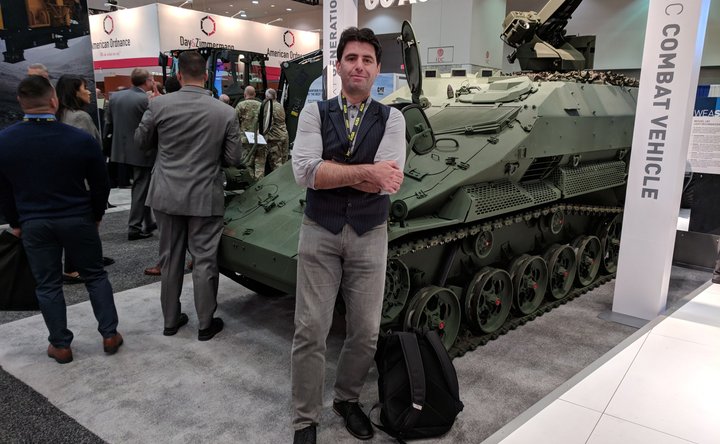
Speaking with Shephard at the Emerging Technologies for Defense exhibition in Washington, DC, Tom Huntley, vice-president for government relations and defence at Regent, highlighted the Viceroy’s potential defence applications.
The company announced a US$4.8 million contract with the US Marine Corps Warfighting Lab (MCWL) in October 2023 to demonstrate seaglider technology for defence logistics operations.
Huntley told Shephard that Viceroy could be utilised for intelligence, surveillance and
Our news & analysis is now part of Defence Insight®
A Basic-level or higher Defence Insight subscription is now required to view this content.



More from Naval Warfare
-
![US Navy begins SPY-6(V)4 radar testing ahead of first Arleigh Burke destroyer backfit]()
US Navy begins SPY-6(V)4 radar testing ahead of first Arleigh Burke destroyer backfit
Wallops Island trials will validate the next-generation radar's combat system integration before its installation aboard USS Pinckney, the first Flight IIA destroyer to receive the SPY-6(V)4 upgrade.
-
![Hanwha Ocean deepens US ties and eyes Saudi submarine prospect after Canada setback]()
Hanwha Ocean deepens US ties and eyes Saudi submarine prospect after Canada setback
Hanwha Ocean is deepening ties with the US and eyeing a submarine opportunity in Saudi Arabia, as South Korea looks to convert its Canadian defeat into export momentum.
-
![Babcock onshores 85% of Canada’s submarine supply chain as it eyes future CPSP programme]()
Babcock onshores 85% of Canada’s submarine supply chain as it eyes future CPSP programme
By moving most of the Royal Canadian Navy’s submarine supply chain into Canada, Babcock Canada is driving to strengthen sovereign sustainment capabilities while preparing to compete to maintain the future Canadian Patrol Submarine Project.
-
![From the seas to the web: the changing shape of UK defence in Southeast Asia]()
From the seas to the web: the changing shape of UK defence in Southeast Asia
As his final engagement before leaving his post as the head of the British defence staff for Southeast Asia and defence adviser to Singapore, Brigadier Eddie Maskell-Pedersen spoke with Shephard about maritime security, cyber cooperation and long-term partnerships.
-
![How the Belgium-Netherlands MCM programme is reshaping naval mine warfare]()
How the Belgium-Netherlands MCM programme is reshaping naval mine warfare
As the Belgian-Dutch replacement mine countermeasure programme progresses, it is becoming clear that motherships will be integral to future MCM operations. Seven years on from the programme’s inception, the impact of its forward-looking approach can be seen through the procurement strategies of its Western allies today.