Naval Warfare magazine: countering China, Asia-Pacific submarines and more
Read the latest edition of Naval Warfare for free in our app or on your desktop.


Comment
The European Council has extended Operation Atalanta for another two years, reinforcing its role in the waters off the Horn of Africa. Yet what is the reasoning behind the decision?
Features include:
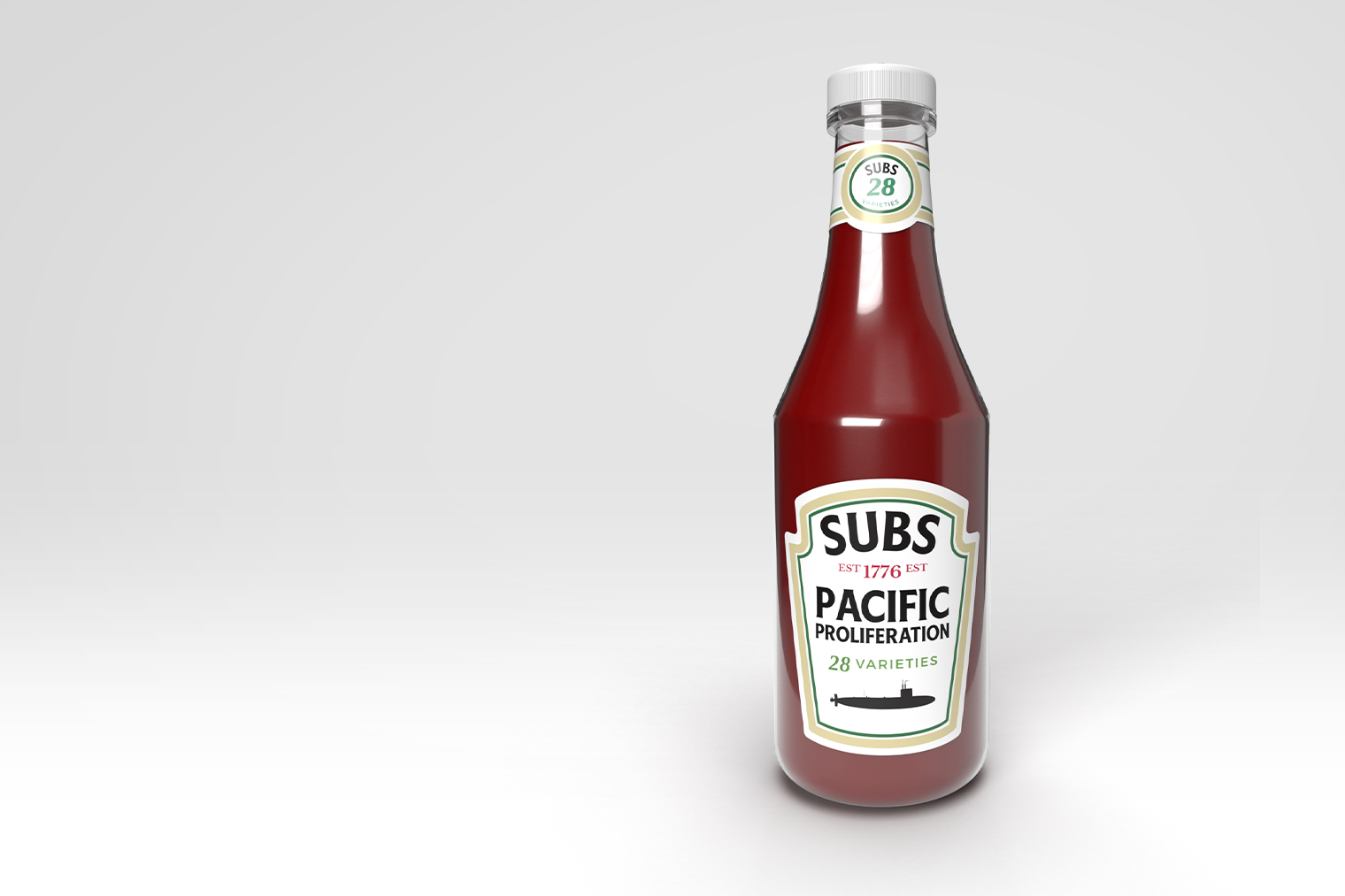
PACIFIC PROLIFERATION
As more and more countries in Asia-Pacific aim to acquire as well as build submarines and the number of hulls in service keeps rising, commentators are left to wonder whether the region has the potential to become a submarine powerhouse.
Other features include:
TALKING TACTICS
The US is in the process of restructuring its battle force in order to prepare for the potential challenges posed by China in the Indo-Pacific region. An optimal structure for that force, however, is yet to be determined.
ENFORCING LEGITIMACY
Iran’s naval forces, ranging from the asymmetric warfare assets fielded by the revolutionary guard to the ageing surface combatants of the regular navy, continue to present an evolving capability profile to regional actors and great powers alike.
FORM, FIT AND FUNCTION
Often an iterative process, ship design involves many interdependencies and relies heavily on technological development. In order to accommodate future systems and capabilities, a standardised approach to design is becoming increasingly important.
SPECIALISING IN MULTI-MISSION
Programmes such as the Franco-Italian FREMM have shown that interest in multi-mission frigates as opposed to specialised platforms has been on the rise in recent years. Shephard takes a look at the factors driving growth in this sector.
BIOSPHERE OPERATIONS
With the threat of an outbreak at sea creating significant health challenges and potentially opening up an operational gap that could be exploited, the COVID-19 pandemic has posed significant challenges for navies. How then have they looked to mitigate the risks, ensuring the safety of crews while keeping up the drumbeat of maritime patrol?




More from Naval Warfare
-
![Can the US Navy ask Indo-Pacific allies to do more while training with them less?]()
Can the US Navy ask Indo-Pacific allies to do more while training with them less?
As the Iran War draws US ships and marine corps units away from the Indo-Pacific, curtailed exercises and a temporary carrier gap are exposing tensions between Washington’s demand for more self-reliant allies and the joint training needed to realise that ambition.
-
![How could Rheinmetall’s GMF 140 fit with ongoing programmes in North America?]()
How could Rheinmetall’s GMF 140 fit with ongoing programmes in North America?
With Canada committed to its River-class replacement and the USN pursuing a lower-cost frigate, Rheinmetall will need to demonstrate where the GMF 140 can fill a capability gap in the North American fleet.
-
![Australian industry programme builds pipeline for Virginia-class sustainment]()
Australian industry programme builds pipeline for Virginia-class sustainment
Australian businesses can now bid to support Virginia-class submarine sustainment in Western Australia, as momentum around the Henderson Defence Precinct also builds.
-
![South Korea, Japan and Turkey vie for US shipbuilding access in future frigate contest]()
South Korea, Japan and Turkey vie for US shipbuilding access in future frigate contest
Washington’s search for a foreign-built frigate could hand South Korea, Japan and Turkey a larger prize than a double-hull order: a foothold inside the US shipbuilding industrial base.
-
![Russia’s uncrewed boat portfolio hints at future naval demand]()
Russia’s uncrewed boat portfolio hints at future naval demand
Ukrainian intelligence has catalogued more than 20 Russian uncrewed surface vessels, revealing a portfolio weighted towards mine warfare and logistics, with implications for Western naval investment.