HMS Prince of Wales gears up for NATO operations
HMS Prince of Wales bridge island with the NATO badge next to its pennant number. (Photo: HMS Prince of Wales/ Crown Copyright via Twitter)
The aircraft carrier takes on a key NATO responsibility at a time of increased tensions between the alliance and Russia.


The UK’s second Queen Elizabeth-class aircraft carrier, HMS Prince of Wales, on 11 January formally took on the role of command ship for the maritime aspect of NATO’s Response Force ahead of a busy year of NATO operations.
The RN assumed command of the NATO Response Force on 1 January, taking over from the French Navy.
As the command ship, Prince of Wales will lead an international task group and operate in the Arctic, Baltic, and Mediterranean regions.
Commander UK Strike Force, led by RAdm Mike Utley will direct the multi-national force.
Prince of Wales will depart
Our news & analysis is now part of Defence Insight®
A Basic-level or higher Defence Insight subscription is now required to view this content.


More from Naval Warfare
-
![A400M trial demonstrates airborne deployment of uncrewed surface vessel]()
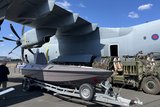
A400M trial demonstrates airborne deployment of uncrewed surface vessel
Kraken Technology Group’s A400M airdrop of a K3 Scout uncrewed surface vessel points to a new way for navies to insert USVs into contested waters, bypassing ports and motherships.
-
![Babcock onshores 85% of Canada’s submarine supply chain as it eyes future CPSP programme]()
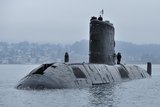
Babcock onshores 85% of Canada’s submarine supply chain as it eyes future CPSP programme
By moving most of the Royal Canadian Navy’s submarine supply chain into Canada, Babcock Canada is driving to strengthen sovereign sustainment capabilities while preparing to compete to maintain the future Canadian Patrol Submarine Project.
-
![From the seas to the web: the changing shape of UK defence in Southeast Asia]()
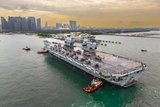
From the seas to the web: the changing shape of UK defence in Southeast Asia
As his final engagement before leaving his post as the head of the British defence staff for Southeast Asia and defence adviser to Singapore, Brigadier Eddie Maskell-Pedersen spoke with Shephard about maritime security, cyber cooperation and long-term partnerships.
-
![Baltic naval priorities shift towards mine warfare and versatile platforms]()
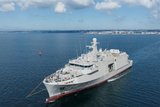
Baltic naval priorities shift towards mine warfare and versatile platforms
Baltic states are investing in mine warfare, uncrewed systems and multirole platforms as major warship purchases remain scarce, industry sources indicate.