LCS coastal mine reconnaissance module tested


The US Navy’s Littoral Combat Ship (LCS) Mission Modules (MM) programme has completed developmental testing of the coastal mine reconnaissance (CMR) mission module onboard USS Coronado.
The testing was carried out off the coast of Southern California on 22 February.
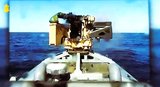
The CMR mission module includes the MQ-8B Fire Scout UAS with its mission control system, the AN/DVS-1 Coastal Battlespace Reconnaissance and Analysis (COBRA) system, with airborne payload sub-system and post-mission analysis sub-system, supporting software and support containers.
The module is supported by MINEnet tactical, a web-based solution for command and control of the mine warfare battlespace.
The COBRA system is integrated on the MQ-8B, providing daytime detection of surface-laid mine lines, mine fields and obstacles in the beach zone. Mission analysis is performed upon completion of the flight.
The testing included nine missions, including mission tasking from a shore-based mine warfare commander, mission planning by the ship and assigned aviation detachment, flying the planned mission, downloading and analysing the collected data and transmission of analysed data off the ship to the mine warfare commander.
More complex mine warfare missions and initial operational testing and evaluation is scheduled to begin this month.
The combined capability of the LCS ships and mission systems is designed to protect the littoral battle space and provide US forces with assured access to coastal areas.
Related Equipment in Defence Insight


More from Naval Warfare
-
![How France’s SNLE 3G programme is reshaping the naval nuclear industrial base]()
How France’s SNLE 3G programme is reshaping the naval nuclear industrial base
Extending far beyond a four-submarine replacement programme, France’s ballistic missile submarine effort is a decades-long industrial effort designed to preserve the country’s ability to build and sustain nuclear-powered strategic platforms.
-
![China’s mineral processing dominance exposes naval supply chain vulnerabilities]()
China’s mineral processing dominance exposes naval supply chain vulnerabilities
Competition for critical minerals, and China’s dominance of their processing, is emerging as a decisive factor in future naval procurement programmes.
-
![Suppliers await next step in Australia’s mine warfare transition]()
Suppliers await next step in Australia’s mine warfare transition
Australia’s mine countermeasure capability remains in flux as the Huon-class nears retirement, but accelerated investment in autonomous systems is opening a path for industry.
-
![Can the US Navy ask Indo-Pacific allies to do more while training with them less?]()
Can the US Navy ask Indo-Pacific allies to do more while training with them less?
As the Iran War draws US ships and marine corps units away from the Indo-Pacific, curtailed exercises and a temporary carrier gap are exposing tensions between Washington’s demand for more self-reliant allies and the joint training needed to realise that ambition.
-
![How could Rheinmetall’s GMF 140 fit with ongoing programmes in North America?]()
How could Rheinmetall’s GMF 140 fit with ongoing programmes in North America?
With Canada committed to its River-class replacement and the USN pursuing a lower-cost frigate, Rheinmetall will need to demonstrate where the GMF 140 can fill a capability gap in the North American fleet.