


Canada accelerates uncrewed aerial system procurement for NATO and Arctic forces
Canada plans to acquire at least 120 uncrewed aerial systems through two competitions with combined funding ceilings of C$32 million.


HISS-HD mounts on any MIL-STD-1913 rail interface in front of an existing scope. (Photo: Teledyne FLIR)
Teledyne FLIR unveiled its next-generation thermal weapon sight on 23 January at the SHOT Show exhibition in Las Vegas.
ThermoSight HISS-HD has been designed as a lightweight solution engineered to enable snipers and machine gun crews to accurately detect, identify and engage man-size targets more than 2,200 meters away.
The HISS-HD provides seamless integration and mounts on any MIL-STD-1913 rail interface in front of an existing scope, according to its manufacturer. It has been built to be versatile and can be operated alongside standard ballistic computing devices and laser rangefinders.
Deployable in operational environments ranging from -32°C to 49°C (-26°F to 120°F), the sight is
Our news & analysis is now part of Defence Insight®
A Basic-level or higher Defence Insight subscription is now required to view this content.


Canada plans to acquire at least 120 uncrewed aerial systems through two competitions with combined funding ceilings of C$32 million.
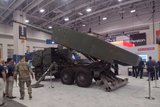
New counter-drone technologies, autonomous launchers and manufacturing modernisation initiatives highlighted emerging opportunities for defence suppliers, while the UK advanced a major military vehicle procurement programme.

Non-US companies are increasingly looking to establish subsidiary and partnerships to access the potential billions of dollars of vehicle and land systems contracts and there has already been some success.

Pearson Engineering has provided equipment and engineering expertise to the Armed Forces of Ukraine since the beginning of the full-scale Russian invasion in 2022. The British company is now working to deepen engagement with the Ukrainian defence industry, expanding its support for the country’s population and laying the foundations for future technological innovation.
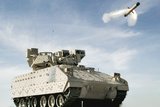
Rather than developing entirely new weapons, defence companies are looking to build on existing weapons and systems to deliver greater capability, control costs and accelerate fielding.

With a production rate of more than 10 million vehicles annually, the US commercial car and vehicle manufacturing base is second only to China. Defence companies are looking at how the vehicles, technology and manufacturing capability can support programmes.

Connect with us on socials


