SpearUAV awarded contract worth up to $60 million for Viper 300 loitering munition
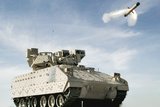
The initial order for Viper 300 drones is worth $20 million. (Photo: SpearUAV)
In addition to this significant contract, SpearUAV announced deals for both offensive systems such as the Viper 300 and Viper 750 systems for naval use along with defensive systems such as Viper I (Interceptor).


SpearUAV will provide Viper 300 loitering munitions to an undisclosed country under a US$20 million deal which could be worth up to $60 million, with the company reporting a record year for orders. Deliveries may begin next year.
Viper 300 is an artificial intelligence (AI)-based aerial weapon system which is folded and launched from a capsule or sabot.
Soldiers can launch the system either on foot or from within a combat platform, using AI tools that provide immediate target acquisition capabilities for precision attack.
In October the company unveiled a new product, the Viper I (Interceptor), which it described as “an encapsulated UAS interceptor designed to enhance top-attack protection for troops and armoured vehicles as well as fixed installations”.
The company sees this product as a significant growth engine, as it uses the same launch system as the Viper 300 system, providing operational flexibility and considerable budget savings.
Yiftach Kleinman, deputy CEO of SpearUAV, said: “This contract not only represents a substantial opportunity but also includes expansion options that we anticipate will substantially grow our market presence in the near future.
“This is a record year for new contracts for SpearUAV. We anticipate further significant contracts before the year ends.”
Related Equipment in Defence Insight



More from Land Warfare
-
![Coming to America: companies look to tap into US with multi-domestic strategy]()
Coming to America: companies look to tap into US with multi-domestic strategy
Non-US companies are increasingly looking to establish subsidiary and partnerships to access the potential billions of dollars of vehicle and land systems contracts and there has already been some success.
-
![Front-line support: how UK industry is helping tackle Ukraine’s landmine challenges]()
Front-line support: how UK industry is helping tackle Ukraine’s landmine challenges
Pearson Engineering has provided equipment and engineering expertise to the Armed Forces of Ukraine since the beginning of the full-scale Russian invasion in 2022. The British company is now working to deepen engagement with the Ukrainian defence industry, expanding its support for the country’s population and laying the foundations for future technological innovation.
-
![AUSA 2026: companies adapt munitions and missiles for greater effect at lower costs]()
AUSA 2026: companies adapt munitions and missiles for greater effect at lower costs
Rather than developing entirely new weapons, defence companies are looking to build on existing weapons and systems to deliver greater capability, control costs and accelerate fielding.
-
![AUSA 2026: industry looks to make commercial platforms a military reality]()
AUSA 2026: industry looks to make commercial platforms a military reality
With a production rate of more than 10 million vehicles annually, the US commercial car and vehicle manufacturing base is second only to China. Defence companies are looking at how the vehicles, technology and manufacturing capability can support programmes.