Russia begins serial production of modernised RWS
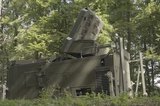
Okhotnik RWS pictured in early 2021. (Photo: TASS)
New-look Okhotnik RWS will be installed on Taifun-K vehicles


Uralvagonzavod subsidiary NPO Electromashina has begun serial production of the modernised Okhotnik remote weapon station (RWS) after it successfully passed qualification tests.
So far, five Okhotnik combat modules — not to be confused with the UAV of the same name — have been installed on Taifun-K 4x4 armoured vehicles. The RWS on Taifun was presented in August during the Army-2021 exhibition near Moscow.
Okhotnik is equipped with the Russian-made 12.7mm 6P49 machine gun, which was designed specifically for robotic systems. The new machine gun increases target accuracy by 20-30%, according to the manufacturer.
The RWS is capable of hitting moving
Our news & analysis is now part of Defence Insight®
A Basic-level or higher Defence Insight subscription is now required to view this content.




More from Land Warfare
-
![Europe’s eastern flank moves on air defence radars with wider efforts also underway]()
Europe’s eastern flank moves on air defence radars with wider efforts also underway
Air defence radars have become more important assets in the past year with incursions in NATO countries on Europe’s eastern flank highlighting the need.
-
![Australia’s SM-2 land trial could reshape ADF medium-range air defence plans]()
Australia’s SM-2 land trial could reshape ADF medium-range air defence plans
The first ground launch of the SM-2 could offer Canberra a path to expand its missile defence capability by adapting systems already fielded across the ADF.
-
![UK hits pause on deployable mortar system procurement as US begins search]()
UK hits pause on deployable mortar system procurement as US begins search
The US Army's market survey into available 81mm and 120mm mobile mortar systems was launched only a few days after the UK suspended Project Stokes, an almost identical plan, “pending future decisions on prioritisation, resourcing and funding”.