


Canada accelerates uncrewed aerial system procurement for NATO and Arctic forces
Canada plans to acquire at least 120 uncrewed aerial systems through two competitions with combined funding ceilings of C$32 million.


Rheinmetall has announced that the German Army has placed further orders for the Gladius soldier system. The order, announced on 8 February, will see the company supply a further sixty systems, in addition to the initial thirty systems ordered in 2012.
This follow-up order is worth €84 million, and encompasses equipment for 60 infantry sections with a total of 600 soldiers. The systems will be delivered in two batches of thirty systems each, with the first to be delivered mid-2013, and the rest by the end of 2013.
The German Army is already taking delivery of the systems placed under the 2012 order. The delivery schedule will ensure that the next two contingents of troops due to deploy to Afghanistan will receive the new equipment well in advance. The troops will have until June 2013 to train with the new system before going to Afghanistan.
Developed by Rheinmetall, Gladius substantially exceeds the capabilities of previous infantry systems used by the German Army, especially with regard to networkability, command and control, and combat effectiveness. The system is designed to significantly improve the overall operational effectiveness of German infantry units while simultaneously enhancing the survivability of individual soldiers.


Canada plans to acquire at least 120 uncrewed aerial systems through two competitions with combined funding ceilings of C$32 million.
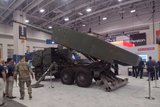
New counter-drone technologies, autonomous launchers and manufacturing modernisation initiatives highlighted emerging opportunities for defence suppliers, while the UK advanced a major military vehicle procurement programme.

Non-US companies are increasingly looking to establish subsidiary and partnerships to access the potential billions of dollars of vehicle and land systems contracts and there has already been some success.

Pearson Engineering has provided equipment and engineering expertise to the Armed Forces of Ukraine since the beginning of the full-scale Russian invasion in 2022. The British company is now working to deepen engagement with the Ukrainian defence industry, expanding its support for the country’s population and laying the foundations for future technological innovation.
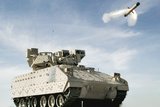
Rather than developing entirely new weapons, defence companies are looking to build on existing weapons and systems to deliver greater capability, control costs and accelerate fielding.

With a production rate of more than 10 million vehicles annually, the US commercial car and vehicle manufacturing base is second only to China. Defence companies are looking at how the vehicles, technology and manufacturing capability can support programmes.

Connect with us on socials


