Panther MBT moves closer to production with $316 million development contract
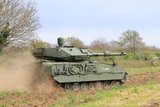
The Panther KF51 MBT will be based on an existing chassis but is designed for a digital future. (Photo: Rheinmetall)
Rheinmetall unveiled the KF51 Panther at Eurosatory 2022. The MBT will use Leopard 2 components in its bare chassis, but will feature a new turret and the Rheinmetall 130mm L/52 smoothbore gun.


The next-generation Panther KF51 MBT, featuring an open generic digital architecture, has taken one step closer to production after a deal was signed between the Hungarian Government and Germany’s Rheinmetall.
The development contract worth around €288 million (US$315.7 million), under which a demonstrator vehicle will be constructed and qualified, will pave the way to full-scale production.
Rheinmetall has been cooperating with the state-owned Hungarian holding company N7 in the development effort with N7 holding a 49 percent stake in the joint venture Rheinmetall Hungary.
The vehicle will build heavily upon the reliable stalwart Leopard MBT, a nod to which is provided by the new name,
Our news & analysis is now part of Defence Insight®
A Basic-level or higher Defence Insight subscription is now required to view this content.

More from Land Warfare
-
![How to breach a minefield: from traditional systems to modern techniques in action]()
How to breach a minefield: from traditional systems to modern techniques in action
The news from Ukraine has again shown that antitank minefields and other obstacles on the battlefield, such as deep trenches, can play a key role in both offensive and defensive operations. Given this, there will always be a need to clear them, both during and after a conflict.
-
![British Army's open plan draws diverse offerings for Land Rover replacement]()
British Army's open plan draws diverse offerings for Land Rover replacement
The UK Ministry of Defence has avoided being prescriptive in its search to replace the British Army’s Land Rover, meaning vehicle types being offered range from Land Rover Defender Wolf II and Humvee to the hybrid series Fering Pioneer. What does this mean for the procurement process?
-
![DVD 2026: British Army’s Ajax back in the hands of users as part of a gradual return]()
DVD 2026: British Army’s Ajax back in the hands of users as part of a gradual return
The introduction of Ajax vehicles into British Army service was stopped after operator health issues were reported during an exercise, but manufacturer General Dynamics Land Systems UK believes work over the past 10 months has dealt with the problems.