Extra punch to be added to THeMIS UGV as production set to increase
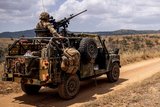
Milrem Robotics is looking to increase the firepower of its THeMIS UGV. (Photo: Milrem Robotics)
Milrem Robotics is looking to improve the lethality of its Tracked Hybrid Modular Infantry System (THeMIS) uncrewed ground vehicle (UGV), ramp up production and add an integration with uncrewed aerial vehicles (UAVs).


Milrem Robotics has said that expects to have 200 of its THeMIS UGVs in Ukraine by the end of 2025. The systems will be used in combat, engineering and surveillance roles beyond logistics and casualty evacuation roles which currently dominate in the country.
The company said it hoped to be able to outline the plans on the 200 UGVs before the middle of the year and these deliveries are supported by development efforts. This would include fitting a vehicle with an automatic grenade launcher in February followed by trials.
Speaking at Defence IQ’s International Armoured Vehicle conference last week, Milrem director of internation
Our news & analysis is now part of Defence Insight®
A Basic-level or higher Defence Insight subscription is now required to view this content.

You may also like

More from Land Warfare
-
![British Army Land Rover replacement plan inches forward]()
British Army Land Rover replacement plan inches forward
The UK Ministry of Defence has proposed a selection date of May 2027 for the Land Rover replacement requirement, with deliveries expected through to 2036. Next month’s DVD exhibition will be a key shop window for bidders.
-
![Snow patrol and access all areas: the Arctic all-terrain vehicles market grows]()
Snow patrol and access all areas: the Arctic all-terrain vehicles market grows
The procurement and planned procurement of articulated tracked all-terrain vehicles is being driven by a need to replace older platforms and an acknowledgement of a capability gap for Arctic regions.
-
![Push strengthens for a second JLTV supplier]()
Push strengthens for a second JLTV supplier
A move, launched in May, could lead to a second supplier for the US Marines Corps’ Joint Light Tactical Vehicle requirement. Meanwhile, Wisconsin elected representatives have been pushing for necessary funding to be included in the FY27 budget.
-
![Canada reveals first requirements for future long-range air-to-air missile]()
Canada reveals first requirements for future long-range air-to-air missile
Exclusive: Ottawa says its future NORAD interceptor must be highly stealthy, resistant to jamming and capable of engaging threats at very long range, while leaving the competition open to domestic and international suppliers.
-
![July land forces roundup: UK outlines spending with details unveiled on Eurosatory vehicles]()
July land forces roundup: UK outlines spending with details unveiled on Eurosatory vehicles
Analysis of the long-awaited UK Defence Investment Plan, which was finally released on 30 June, revealed scant investment in platform replacement for the British Army. The bright spot in July, however, was a multibillion-dollar contract awarded for the British Army’s Collective Training System.