AI3 successfully defeats first UAS target
Raytheon’s Accelerated Improved Intercept Initiative (AI3) system programme has reached a new milestone with the system’s successful defeat of a UAS in flight. The intercept was conducted as part of the second guided test flights for the programme.
AI3 is designed to protect warfighters by intercepting rockets and other threats in flight. The system’s battle element includes Ku radio frequency system (KRFS) fire control radar, Avenger-based AI3 launcher with technical fire control, counter rockets, artillery and mortars command and control, and the AI3 missile.
Steve Bennett, AI3 program director, Raytheon Missile Systems, said: ‘Defeating a UAS demonstrates the AI3 system has capabilities beyond its original requirements and can defeat a variety of threats to our warfighters today. This latest success is a testament to our strong partnership with the US Army and our team’s commitment to meeting the customer’s challenging schedule and cost requirements.’
Earlier in the test series, the system completed an in-flight defeat of a 107mm rocket. The US Army will conduct for-the-record testing of AI3 and continue to engage baseline and enhanced capability targets, including 107mm and other rockets, and UAS threats.
Raytheon provides the interceptor, technical fire control and KRFS radar, and serves as support to the government team for the programme.



You may also like
More from Land Warfare
-
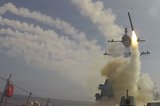
![US pours another $23 billion into Arsenal of Freedom to ramp up missile production]()
US pours another $23 billion into Arsenal of Freedom to ramp up missile production
The US Department of Defense (DoD) is spending billions of dollars to accelerate missile production to meet demands from the war against Iran and requirements in Ukraine. Manufacture of SM-3 and PAC-3 interceptors is being ramped up, alongside a $22.9 billion commitment to Tomahawk cruise missiles.
-
![Boxer lands another order as contracts and opportunities build momentum]()
Boxer lands another order as contracts and opportunities build momentum
As Germany prepares its €25 billion order under the Arminius framework – the biggest Boxer procurement to date – the platform could become an increasingly powerful contender in European competitions.
-
![Trans-European iMUGS2 uncrewed systems programme set for three-day exercise in 2028]()
Trans-European iMUGS2 uncrewed systems programme set for three-day exercise in 2028
The next stage of the Integrated Modular Unmanned Ground System (iMUGS) programme, dubbed iMUGS2, was launched in November 2025. Three major demonstrations are planned before the end of 2028.
-
![British Army Land Rover replacement plan inches forward]()
British Army Land Rover replacement plan inches forward
The UK Ministry of Defence has proposed a selection date of May 2027 for the Land Rover replacement requirement, with deliveries expected through to 2036. Next month’s DVD exhibition will be a key shop window for bidders.