Australia requests Aegis combat system equipment


The US State Department has made a determination approving a potential foreign military sale of equipment for the integration of the CEAFar 2 phased array radar system with the Aegis combat system to Australia, the Defense Security Cooperation Agency announced on 26 June.
Under a package worth $185 million, Australia has requested long lead items, engineering and development activities, establishment of engineering development sites and commencement of development activities associated with the integration of the CEAFar 2 phased array radar system with the Aegis combat system.
The request includes Aegis weapon system technical equivalent components including command display system consoles (including two consoles in gun weapon system configuration); multi-mission display systems and cabinets; and global C2 system - maritime.
The package also includes cooperative engagement capability sites systems, to include processing rack, simulation equipment and workstation; AN/SPQ-15 converter/receiver and signal data converter equipment; defence visual information distribution service cabinet; AN/SQQ-89 sonobouy processing core computing system racks, with console and laptop; Aegis simulator racks and workstations; Aegis training system; and various ancillary equipment and support products.
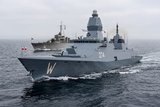
Australia has plans to add nine Aegis capable Future Frigates over the next 20 years and upgrade their existing three Aegis capable Hobart class destroyers with the latest technology and capability. This equipment will significantly improve capability and interoperability with US Navy Aegis combatants in the region.
If the sale goes ahead, Lockheed Martin Rotary and Mission Systems will be the prime contractor.
Related Equipment in Defence Insight


More from Naval Warfare
-
![US Navy’s MQ-25 Stingray approaches carrier-integration tests]()
US Navy’s MQ-25 Stingray approaches carrier-integration tests
Boeing has outlined its upcoming precision-landing and carrier-airspace trials as MQ-25 manufacturing shifts towards Illinois, with initial Lot 1 deliveries expected in 2029.
-
![From Poland to the Pacific: Can Miecznik become a blueprint for other navies?]()
From Poland to the Pacific: Can Miecznik become a blueprint for other navies?
Babcock is taking its Polish industrial partnership approach to Denmark and New Zealand as navies seek sovereign shipbuilding skills alongside ships.
-
![Unsettled waters in the North: can navies still trust their Arctic acoustic maps?]()
Unsettled waters in the North: can navies still trust their Arctic acoustic maps?
The changing Arctic environment is creating new challenges for submarine detection, driving demand for distributed sensors, uncrewed underwater vehicles and real-time acoustic modelling.
-
![Aevex, Lockheed Martin and Thales deals highlight consolidation in naval technology]()
Aevex, Lockheed Martin and Thales deals highlight consolidation in naval technology
A wave of acquisitions is bringing specialist autonomy and underwater technology under the umbrella of larger defence contractors. As a result, navies may gain faster access to capability, but not necessarily a broader choice of suppliers.
-
![Italy’s DDX destroyer deal opens a decade of naval spending]()
Italy’s DDX destroyer deal opens a decade of naval spending
A €3.7 billion destroyer contract for Fincantieri and Leonardo is only the start, with submarines, corvettes and a new carrier pointing to more opportunities.