Fiscal reality could challenge Baltic procurement plans
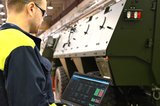
Lithuania procured Boxer 8x8s in the Vilkas programme but it wants to acquire even more IFVs. (Photo: Lithuanian MoD)
Baltic countries are ramping up military spending amid the Russo-Ukrainian conflict but ambitious acquisition plans might bump into economic factors.


The Baltic republics of Estonia, Latvia and Lithuania are following a broader European trend of increased defence expenditure since the unprovoked Russian invasion of Ukraine on 24 February.
Latvia is poised to increase military spending to 2.5% of GDP by 2025 while parliament in neighbouring Lithuania approved a plan to raise defence spending above 2.5% of GDP, compared with 2.05% or €1.2 billion ($1.31 billion) previously.
On 20 January, even before the Russian invasion of Ukraine began, Estonian Prime Minister Kaja Kallas announced that €380 million more will be allocated for defence ‘in the next years’ in order to increase
Our news & analysis is now part of Defence Insight®
A Basic-level or higher Defence Insight subscription is now required to view this content.




More from Defence Notes
-
![Patria OPTIME and ILIAS: Orchestrating operational readiness across every domain]()
Patria OPTIME and ILIAS: Orchestrating operational readiness across every domain
Patria OPTIME is a sustainment concept that integrates MRO and lifecycle services into one solution, powered by the ILIAS digital defence platform
-
![US military seeks common controllers for drones and robotic systems]()
US military seeks common controllers for drones and robotic systems
US Air Force, Army, Marine Corps and Special Operations Command initiatives signal demand for interoperable uncrewed systems control, creating opportunities for suppliers of hardware, software and integration services.
-
![“Engage with the operational problem”: how software innovation can boost UK defence]()
“Engage with the operational problem”: how software innovation can boost UK defence
In Conversation… Shephard’s Andrew White talks to Zafer Şen, CEO and co-founder of OBSS, about the future of command-and-control software in the age of artificial intelligence, and his company’s ambitions in the UK defence market.
-
![“Capital follows confidence” as defence courts private money]()
“Capital follows confidence” as defence courts private money
Outside investment and the direction in which venture money flows may reveal what defence will buy years before formal programmes begin.