EU commits to increased defence spending and boosting capability
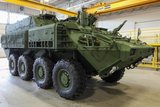
The CAVS programme, based on a Patria 6x6 vehicle, is an example of transnational procurement being promoted by the EU. (Photo: Patria)
There has been increased pressure from the second-term Trump administration in the US, as there was in the first term, for increased defence spending from non-US NATO countries, a move which is noted by Europe as already occurring.


The European Union (EU) needs to continue to increase spending on defence, focus on air and missile defence, improve access to finance for defence procurement and look at common equipment options, according to President António Costa.
The statement of direction and intent followed a meeting of EU leaders and the UK Prime Minister Keir Starmer on 3 February. The statement also emphasised the importance of the connection between European NATO countries, 23 of which are EU members, and the US.
Figures provided show annual defence spending by EU countries more than doubling in the past two decades with almost all
Our news & analysis is now part of Defence Insight®
A Basic-level or higher Defence Insight subscription is now required to view this content.



More from Defence Notes
-
![US speeds up B61-13 nuclear bomb production as programme moves further ahead of schedule]()
US speeds up B61-13 nuclear bomb production as programme moves further ahead of schedule
The US government plans to accelerate production even further after achieving key B61-13 milestones months ahead of schedule, as the programme advances amid growing US-China strategic competition.
-
![Canada’s C$2 billion ACSV deal reinforces new defence industrial strategy as allies align]()
Canada’s C$2 billion ACSV deal reinforces new defence industrial strategy as allies align
General Dynamics Land Systems-Canada is the country’s first strategic partner under the Defence Industrial Strategy’s Strategic Partnership Framework, an effort to provide companies with confidence to invest and boost the defence labour force.
-
![New UK armed forces minister frames High North defence as vital to “homeland security”]()
New UK armed forces minister frames High North defence as vital to “homeland security”
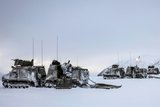
The UK’s Minister for the Armed Forces Louise Sandher-Jones made her first appearance in the role before the House of Commons Defence Committee this week to highlight efforts to improve capability in the High North.
-
![Canada seeks to strengthen industrial ties with the US on classified programmes]()
Canada seeks to strengthen industrial ties with the US on classified programmes
Ottawa explores expanding defence-industrial cooperation with Washington into sensitive programmes, an approach that could reshape NORAD modernisation, strengthen North American supply chains and create new opportunities for defence contractors.