US Air Force, Army, Marine Corps and Special Operations Command initiatives signal demand for interoperable uncrewed systems control, creating opportunities for suppliers of hardware, software and integration services.
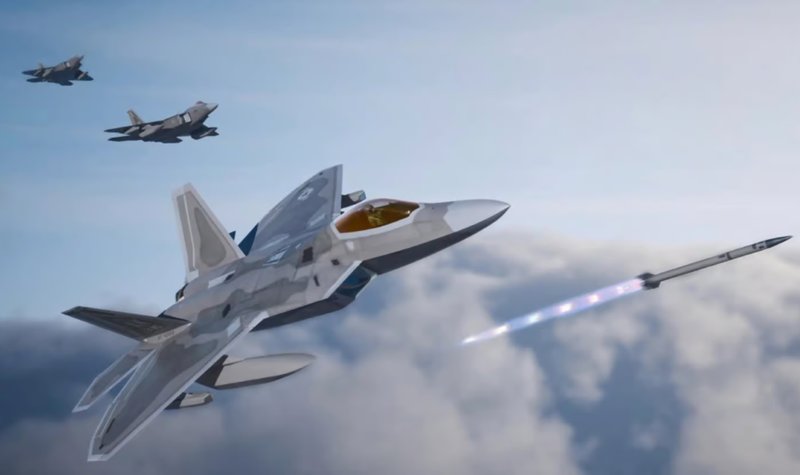
As global air combat operations continue to evolve at a rate not seen for decades, what will the next generation of air-to-air weapons look like, and what missions will they need to fulfil?
Teledyne Gavia has delivered Blueview MB2250 modules and associated PDS software for all Gavia AUVs operated by the Turkish Navy Mine Countermeasures (MCM) command in …
The strength of Afghanistan's security forces has declined less sharply than previously reported, a US watchdog said, citing incorrect figures given by the US military …
Defence Innovation Hub contracts have been issued to three Australian companies for development of three new defence technologies, the Australian Department of Defence announced on …
Hanjin Heavy Industries and Construction (HHIC) ceremonially launched a landing platform helicopter (LPH) – the second Dokdo-class amphibious assault ship – in Busan on 14 …
The USN is using the Pacific region to exploit the capabilities of the Spearhead-class Expeditionary Fast Transport (EFP) and to possibly develop a new concept …
Marine Corps Air Station (MCAS) Futenma on Okinawa has distracted from more important needs in the Japan-US defence relationship for more than two decades. The …
Afghan aircraft on 15 May bombed Taliban positions in the western city of Farah after the insurgents launched a major attempt to capture the provincial …
Prime contractor Luerssen Australia announced on 11 May that it had concluded commercial negotiations with several partners for the Project Sea 1180 OPV programme, but …