UK GCAP fighter effort can only survive if more funds are allocated, expert warns
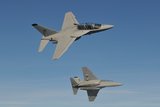
Unrealistic cost estimations have led to systemic delays, significant budget overruns and the procurement of considerably smaller fleets. (Photo: BAE Systems)
The urgency to address chronic issues of cost overruns and delays in UK defence procurement, particularly in complex and important initiatives like the Global Combat Air Programme (GCAP), have underscored the need for upfront honesty about project costs.


Industry and the UK MoD should be “much more honest” about the actual costs of UK military procurement programmes upfront when it comes to programmes like the triliteral Global Combat Air Programme (GCAP), a think tank expert has warned. Ensuring strict adherence to the fighter jet’s service entry date is imperative to prevent Japan, a key partner in the project, from walking away.
A parliamentary hearing on 6 March highlighted the persistent problem of unrealistic cost estimations and delayed schedules affecting the UK's defence procurement efforts – issues that could be mitigated with more transparent planning.
Professor Justin Bronk, a senior research fellow for
Already have an account? Log in
Want to keep reading this article?



More from Air Warfare
-
![Leonardo plans to fly uncrewed fighters alongside M-346 aircraft by mid-2026]()
Leonardo plans to fly uncrewed fighters alongside M-346 aircraft by mid-2026
The two uncrewed fighter aircraft will be made in conjunction with Baykar, which joined forces with Leonardo under LBA Systems in June 2025 to develop and produce uncrewed aerial systems for the international market.
-
![UK firm Skycutter comes out top in first US Drone Dominance Program competition]()
UK firm Skycutter comes out top in first US Drone Dominance Program competition
The startup was the only UK company to take part in the first Gauntlet for the programme, joining forces with its Ukraine partner to participate in the event.
-
![Robinson launches new uncrewed aircraft business unit, unveils new UAS cargo platform]()
Robinson launches new uncrewed aircraft business unit, unveils new UAS cargo platform
The new entity incorporates crewed and uncrewed capabilities to tackle a variety of mission demands in both defence and commercial markets.
-
![US plans to raise defence production by 300% but multiple uncertainties remain]()
US plans to raise defence production by 300% but multiple uncertainties remain
The strategy, schedule and budget to support Washington’s intention to speed up the manufacturing of defence capabilities remain unclear.
-
![Switzerland faces procurement shake-up with reduced F-35 buy and five-year Patriot delays]()
Switzerland faces procurement shake-up with reduced F-35 buy and five-year Patriot delays
The reduction in the number of planned F-35A aircraft from 36 to 30 by the Swiss government comes due to budget constraints, with no firm plans to fill the gap despite “negative consequences”.
-
![What will the replacement of A-10s by F-35s mean for the US Air Force?]()
What will the replacement of A-10s by F-35s mean for the US Air Force?
The USAF plans to phase out its 162 in-operation A-10 Thunderbolt II Warthogs by the end of FY2026, replacing them with F-35As which will bring a leap in capabilities in terms of lethality, survivability and speed.