GCAP alliance signs treaty for sixth-generation fighter and establishes UK as programme HQ
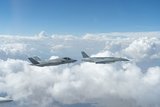
The UK will become the collaborative governmental headquarters and industrial hub for GCAP. (Photo: BAE Systems)
Global Combat Air Programme (GCAP) nations Italy, Japan and the UK signed a treaty for the sixth-generation fighter, but the selection of the UK as headquarters has sparked involvement and workshare discussions.


Italy, Japan and the UK have signed an international treaty to agree on the development of a next-generation supersonic stealthy fighter, marking an important stage of the Global Combat Air Programme (GCAP).
The agreement came 12 months after the three nations established the GCAP collaboration and only three months after the signing of a trilateral Collaboration Agreement to deliver the concept phase requirements of the next-generation combat aircraft for the effort.
Called Tempest in the UK, the ambition is for a sixth-generation fighter to begin replacing the Royal Air Force’s Eurofighter Typhoons by 2035.
‘Our world-leading combat aircraft programme
Our news & analysis is now part of Defence Insight®
A Basic-level or higher Defence Insight subscription is now required to view this content.

More from Air Warfare
-
![UK eyes lightweight satellite communications for UAVs]()
UK eyes lightweight satellite communications for UAVs
The UK is seeking to extend the operational reach of uncrewed aerial vehicles, reflecting growing demand for compact, energy-efficient technology to support beyond-line-of-sight operations.
-
![The new generation of defence companies emerging from the US UAV boom]()
The new generation of defence companies emerging from the US UAV boom
As the Pentagon accelerates procurement of low-cost, lethal UAVs through its Drone Dominance Program, emerging suppliers will need to demonstrate manufacturing capacity, supply chain resilience and reliability.
-
![US Coast Guard faces key procurement decisions after C-130J and MQ-9B orders]()
US Coast Guard faces key procurement decisions after C-130J and MQ-9B orders
The service is updating several parts of its aviation fleet including fixed-wing and rotary-wing aircraft and procuring uncrewed aircraft to boost its maritime surveillance.