Second Israeli F-35 squadron is now operational


The Israeli Air Force (IAF) has assigned operational status to its second F-35I Adair squadron, following a final fitness inspection last week.
Having undergone six months of extensive preparations at Nevatim Airbase, 116 Squadron (called ‘Lions of the South’) is now ‘ready to take part in the IAF's extensive operational activity’, the IAF stated on 6 August.
The IAF has received 20 F-35Is to date. According to Shephard Defence Insight, the air force has a total of 50 on order for $7.8 billion.
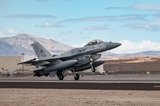
Both 116 Squadron and 140 Squadron (the first IAF unit to operate the F-35I) used to fly the the F-16A/B ‘Netz’.
Before being announced as operational, 116 Squadron was required to undergo a lengthy familiarisation and evaluation process covering training processes and tactics.
‘For the last six months, the squadron's personnel were met with the various scenarios that they were required to face as part of their preparation for the operational fitness inspection,’ the IAF noted.
This inspection simulated 72 hours of intensive combat missions amid ‘currrent regional tensions’, said Maj G, leader of the fitness inspection and aircrew member of 116 Squadron. ‘Several scenarios led to a simulated war on all fronts, and aircrew members took off for missions in all of Israel's regions.’
As part of our promise to deliver comprehensive coverage to our Defence Insight and Premium News subscribers, our curated defence news content provides the latest industry updates, contract awards and programme milestones.
Related Programmes in Defence Insight
Related Equipment in Defence Insight



More from Air Warfare
-
![UK vows to accelerate Lyra programme for Ukraine as defence industry eyes opportunities]()
UK vows to accelerate Lyra programme for Ukraine as defence industry eyes opportunities
Project Nightfall and Project Octopus both fall under the Lyra programme, with UK industry working to develop and deliver additional missiles and drones to help bolster Ukraine’s warfighting capabilities against Russia.
-
![How detection-led C-UAS solutions are transforming drone defense]()
How detection-led C-UAS solutions are transforming drone defense
Modern C-UAS solutions must detect threats early, integrate layered sensors, and deliver fast, scalable, adaptable defense against evolving drones.
-
![How uncrewed rotary platforms are shaping approaches to contested logistics]()
How uncrewed rotary platforms are shaping approaches to contested logistics
Defence industry primes are working on an array of different platforms to meet the growing need for rotary uncrewed aerial vehicles to carry out future logistics missions.
-
![Eastern European helicopter modernisation could open doors for Western manufacturers]()
Eastern European helicopter modernisation could open doors for Western manufacturers
With some Eastern European countries already upgrading their helicopter fleets to incorporate Western technology, the region presents potential future opportunities for defence companies.