GCAP alliance signs treaty for sixth-generation fighter and establishes UK as programme HQ
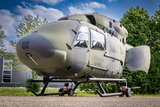
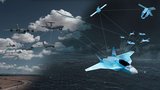
The UK will become the collaborative governmental headquarters and industrial hub for GCAP. (Photo: BAE Systems)
Global Combat Air Programme (GCAP) nations Italy, Japan and the UK signed a treaty for the sixth-generation fighter, but the selection of the UK as headquarters has sparked involvement and workshare discussions.


Italy, Japan and the UK have signed an international treaty to agree on the development of a next-generation supersonic stealthy fighter, marking an important stage of the Global Combat Air Programme (GCAP).
The agreement came 12 months after the three nations established the GCAP collaboration and only three months after the signing of a trilateral Collaboration Agreement to deliver the concept phase requirements of the next-generation combat aircraft for the effort.
Called Tempest in the UK, the ambition is for a sixth-generation fighter to begin replacing the Royal Air Force’s Eurofighter Typhoons by 2035.
‘Our world-leading combat aircraft programme
Our news & analysis is now part of Defence Insight®
A Basic-level or higher Defence Insight subscription is now required to view this content.


More from Air Warfare
-
![Airbus unveils expansion of uncrewed portfolio with new CCA and helicopter platforms]()
Airbus unveils expansion of uncrewed portfolio with new CCA and helicopter platforms
The manufacturer is betting heavily on the demand for uncrewed systems, revealing the uncrewed H145M – known as the U145 – and the U760 Ravenstorm at ILA Berlin 2026 as the two latest additions to its expanding UAV offering.
-
![FCAS future fighter jet collapse: where does Europe’s next-generation air power go next?]()
FCAS future fighter jet collapse: where does Europe’s next-generation air power go next?
While the New Generation Fighter pillar of the Franco-German-Spanish programme is now officially dead in the water, Germany’s ambition to develop a sixth-generation fighter jet remains – with the country serving as a financially attractive potential partner for other programmes.
-
![Upgrades and fresh orders reinforce demand for Dassault’s Rafale fighter jet (updated 2026)]()
Upgrades and fresh orders reinforce demand for Dassault’s Rafale fighter jet (updated 2026)
The French-made aircraft is lining up potentially huge orders in Asia, with the latest F5 platform designed to keep the jet relevant in the modern battlespace until the 2040s.
-
![France air focus: Lower-cost sovereign capabilities propel $11.38 billion UAV market]()
France air focus: Lower-cost sovereign capabilities propel $11.38 billion UAV market
France is estimated to be Europe’s second-highest spender on UAVs, with a market focused on domestic production, loitering munitions and lower-cost sovereign systems. Its spending profile highlights substantial future market opportunities while reflecting broader industry trends.