European Defence Agency picks Airbus Helicopters’ Capa-X for M2UAS project
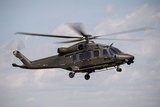
A render of the Capa-X drone selected for the EDA M2UAS project. (Image: Airbus Helicopters)
The multi-mission uncrewed platform project is aiming to help the EU agency define new drone designs that are capable of performing a wide range of mission sets with one adaptable airframe.


Airbus Helicopters has announced that its Capa-X system has been selected by the European Defence Agency (EDA) for its Multi Mission Uncrewed Aircraft System (M2UAS) project. According to the company, the contract is part of a series of projects over 48 months with a budget of €1.1 million (US$1.27 million) which will involve the study and development of a hybrid uncrewed aircraft to conduct various operational missions.
The M2UAS project will build on the existing capabilities of the Capa-X platform – a 120kg drone with a payload capacity of up to 20kg. The first phase of the project will be
Already have an account? Log in
Want to keep reading this article?


More from Air Warfare
-
![First confirmed US one‑way drone strike on Iran sharpens Pentagon UAV expansion]()
First confirmed US one‑way drone strike on Iran sharpens Pentagon UAV expansion
The US is currently escalating its efforts to acquire more than 300,000 low-cost one-way attack drones, with the confirmed use of these platforms against Iran in recent days emphasising their growing use in combat.
-
![UK MoD awards Leonardo with £1 billion New Medium Helicopter contract]()
UK MoD awards Leonardo with £1 billion New Medium Helicopter contract
The £1 billion contract has secured jobs at Leonardo’s Yeovil site and will provide the British forces with 23 new medium-lift helicopters.
-
![NSPA outlines next steps for NATO’s Next-Generation Rotorcraft Capability effort]()
NSPA outlines next steps for NATO’s Next-Generation Rotorcraft Capability effort
The NATO agency gave further updates on the next stages of its rotorcraft programme and timelines for the next three years, with the initiative aimed at replacing ageing medium-lift helicopters in various NATO countries.
-
![UK’s New Medium Helicopter deal finalisation on horizon, alludes Leonardo CEO]()
UK’s New Medium Helicopter deal finalisation on horizon, alludes Leonardo CEO
A potential announcement within days could end speculation around the UK Ministry of Defence’s procurement direction for the NMH programme.
-
![UK Royal Navy notes hybrid air wing progress with eyes on Peregrine drone development]()
UK Royal Navy notes hybrid air wing progress with eyes on Peregrine drone development
The Royal Navy’s Maritime Aviation Transformation (MATX) initiative aims to modernise aviation capabilities to use uncrewed systems where possible, supporting its goal of a hybrid air wing by 2040.