BAE Systems and Turkish Aerospace team up on UAS opportunities
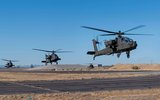
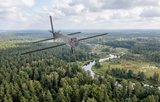
The Anka-3 UAV was first unveiled in 2023. (Photo: TAI)
The two companies will work together to explore ways to collaborate on the development of uncrewed air systems.


BAE Systems and Turkish Aerospace Industries (TAI) have signed a Memorandum of Understanding (MoU) to collaborate on uncrewed aerial systems (UAS) and linked technologies.
The Turkish-British collaboration comes in the wake of the UK sale of Eurofighter jets to Turkey. This industry collaboration also follows the joint venture between Italian firm Leonardo and Turkish drone firm Baykar to collaborate on and develop UAS, which was signed in June 2025.
The two companies will leverage their portfolio experience with UASs to “create a range of compelling and cost-effective solutions”, Dave Holmes, managing director at BAE Systems FalconWorks division, said.
TAI
Our news & analysis is now part of Defence Insight®
A Basic-level or higher Defence Insight subscription is now required to view this content.



More from Air Warfare
-
![October crewed air review: Israel’s Apache deal bets on crewed aviation in an uncrewed age]()
October crewed air review: Israel’s Apache deal bets on crewed aviation in an uncrewed age
Israel’s $1 billion Apache helicopter order highlights the continued demand for crewed attack aviation, while growing integration with uncrewed systems could shape future modernisation and procurement decisions.
-
![US Navy keeps Super Hornet production restart option open, but without defined cost or timetable]()
US Navy keeps Super Hornet production restart option open, but without defined cost or timetable
The US Navy plans to preserve Super Hornet and Growler tooling as production winds down, with restart costs unassessed and final F/A-18 deliveries expected in late 2027.
-
![Connecting the layers: how networks can secure the future of European air defence]()
Connecting the layers: how networks can secure the future of European air defence
The rise of drones has reshaped the threat landscape for all European militaries. For industry, future defensive strategies must carefully balance a mix of passive and active measures to address the evolving danger, based around a highly integrated and responsive network of sensors and effectors.
-
![October drone digest: France and Lithuania advance loitering munition procurements as global spending surges]()
October drone digest: France and Lithuania advance loitering munition procurements as global spending surges
Recent procurement developments in France and Lithuania highlight the growing demand for loitering munitions, with global annual spending forecast to increase nearly 50-fold between 2020 and 2029.