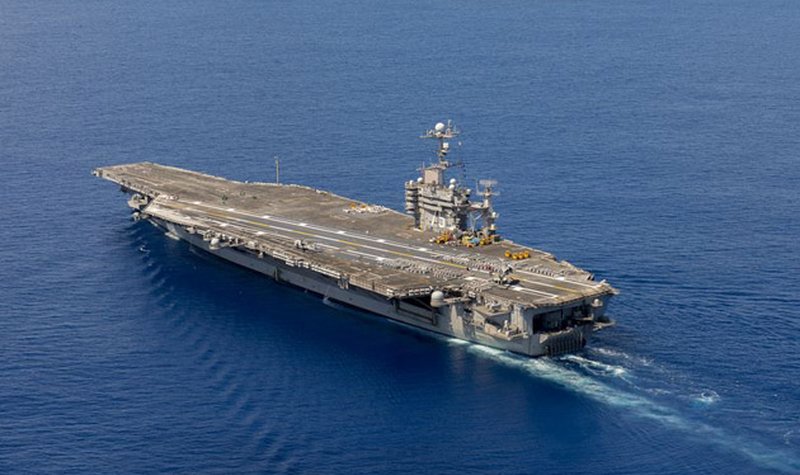
New interceptors and launchers could help navies preserve missile stocks during prolonged escort operations. Yet lower engagement costs will only improve merchant protection if the weapons are available where ships need defending.
Western armies continue to test uncrewed ground vehicles, but wider procurement will depend on turning ambitions for autonomy into defined operational roles and funded requirements.
ViaSat will provide engineering, technical services and hardware/software products in support of the US Navy’s joint Ultra High Frequency (UHF) military satellite communications (SATCOM) system, …
The New Zealand government has approved a recommendation from the Ministry of Defence and New Zealand Defence Force (NZDF) to move ahead with plans for …
BAE Systems Australia will sustain the Royal Australian Air Force (RAAF) Hawk Mk127 Lead-In Fighter fleet for a further two years under a AUD$200 million …
The A400M has successfully demonstrated its ability to operate from sand runways, Airbus Defence and Space announced on 24 August. Sand runways are the last …
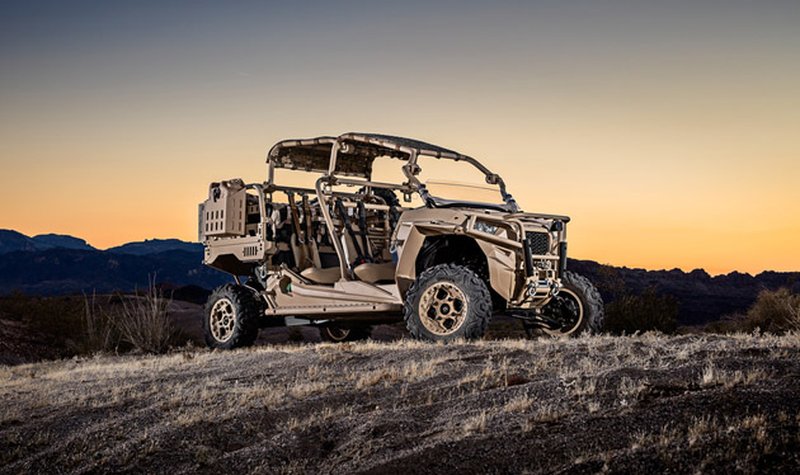
Polaris will deliver 36 MRZR-D utility vehicles and 12 tactical trailers to the Canadian military under a contract announced on 23 August. The vehicles and …
JGW International is to work on a project for the US Department of Homeland Security Science and Technology (S&T) Directorate to develop a universal operator …
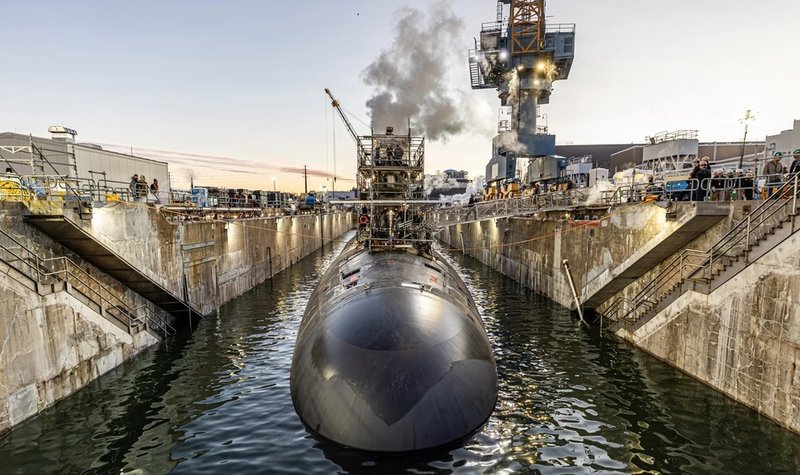
Huntington Ingalls Industries’ Newport News Shipbuilding division has been awarded a contract worth $52 million for nuclear propulsion and complex modernisation work on the US …
UltiSat has received a contract to support Lockheed Martin for the Sensor Systems - Aerial Intelligence, Surveillance and Reconnaissance (SS-AISR) task order on the US …
ViaSat is set to begin production of its Battlefield Awareness and Targeting System – Dismounted (BATS-D) handheld radio and expects to manufacture up to 100 …