


World Defense Show 2026: Northrop Grumman to present improved C2 management system
The Northrop Grumman Integrated Battle Command System is in service with Poland and the US Army with another 20 countries believed to have expressed an interest.


Raytheon and the US Naval Research Lab have demonstrated a new rapid-replacement, modular architecture on the Miniature Air Launched Decoy-Jammer (MALD-J) for electronic warfare (EW) payloads, the company announced on 9 September.
The new CERBERUS architecture was demonstrated in a series of successful captive flights during the Northern Edge exercise in Alaska. Four EW payloads, developed separately by the team, were used in 12 operationally relevant missions.
During the demonstration, a MALD vehicle was carried below a Sabreliner, with the payload controlled from within the aircraft cabin. The interchangeable payloads, each customised for a specific mission and threat, were swapped onto the captive carry vehicle in less than one minute.
The payload system architecture was developed under a four-year programme by Raytheon along with the US Pacific Command and Naval Air Systems Command (PMA-234).
The quick interchange structural connection was provided by a half-turn quick lock technique developed by Dallara for IndyCar racing. The design was altered to meet aerospace form factors and environmental requirements.
Jeff Heyer, head of electronic warfare strategic planning organisation, Naval Research Laboratory, said: ‘The CERBERUS design is cost-effective and expands MALD capabilities to address new missions and target sets. It's a sensible approach for mitigating payload obsolescence. The design embodies the CNO's 'Payloads over Platforms' vision.’
MALD-J is in full rate production for the US Air Force.

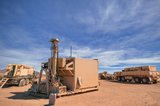
The Northrop Grumman Integrated Battle Command System is in service with Poland and the US Army with another 20 countries believed to have expressed an interest.

The Thales DigitalCrew package, first unveiled at last year’s Defence IQ International Armoured Vehicles conference, is designed to merge imaging and apply a layer of decision-making and observation algorithms to support crew and other personnel.

Nomad can provide militaries with real-time intelligence, saving critical time on the battlefield.
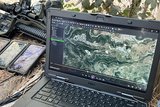
Taurus operates alongside the Israel Defense Forces’ Orion system which supports mission management across tens of thousands of manoeuvring forces, from squad leaders to battalion commanders.
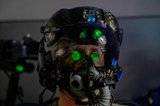
The plan for the new displays follows fresh investment in Kopin’s European facilities by Theon and an order for head-up displays in fielded aircraft, with funding from the US Department of Defense.

Persistent Systems received its largest ever single order for its MPU5 devices and other systems earlier this month and has already delivered the 50 units to the US Army’s 4th Infantry Division.

Connect with us on socials


