


UK’s $1 billion AUKUS support request signals strong ongoing US collaboration
The latest foreign military sales request from the UK has implications for the future of the programme and collaboration between the three nations.


The F/A-18E/F Super Hornet is operated globally, with customers including Australia, Finland, Kuwait and the US. (Photo: USN)
Raytheon has announced that its Advanced Electronic Warfare (ADVEW) prototype has cleared its latest review of its software development, moving it an important step closer to meeting requirements for the US Navy (USN).
The USN awarded Raytheon an US$80 million contract to develop the prototype in December 2023 as a potential replacement for the AN/ALQ-214 integrated defensive electronic countermeasure and AN/ALR-67(V)3 radar warning receiver currently in use on the USN’s F/A-18E/F Super Hornet.
According to the company, the latest review validates the prototype’s integration with flight-representative hardware and alignment with government reference architecture.
The new technology marks an important
Already have an account? Log in


The latest foreign military sales request from the UK has implications for the future of the programme and collaboration between the three nations.

The USCG plans to award a contract this year for the construction of Homeland Security Cutters. The new vessels will replace the 60-plus-year-old fleet of Light Icebreaking Tugs.
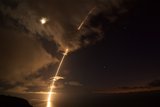
The expansion of the Redstone facility in Alabama will enable Raytheon to increase production of Standard Missiles in the location by 50% and support Washington in refilling stockpiles after recent operations have depleted the Pentagon’s reserves.
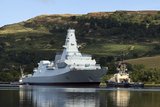
Major naval initiatives including the European Patrol Corvette programmes and Norway’s UK partnership-focused purchase of Type 26 frigates point to the growing interest in the advantages of commonality across allied navies.
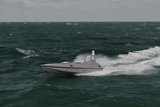
The UK Royal Navy’s rapid procurement of uncrewed platforms aligns with the force’s strategic shift towards a fleet better equipped to handle modern threats.
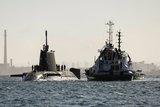
The Astute-class submarine’s visit to Australia was the first time maintenance activity on a UK Royal Navy nuclear submarine had been carried out in the country.

Connect with us on socials


