Ukraine effect influences Neptune Shield
USS Harry S. Truman (centre) in formation with (left to right) ITS Cavour; ITS Andrea Doria; USS San Jacinto; ESPS Almirante Juan De Borbón; and ESPS Juan Carlos I. (Photo: USN/ MC3 Crayton Agnew)
Motivated by Russian aggression against Ukraine, more NATO allies and partner countries than expected joined the recent Neptune Shield 2022 vigilance activity.


From 17-31 May, the NATO-led surveillance and vigilance activity Neptune Shield 2022 (NESH 22) took place in the Adriatic, Baltic and Mediterranean, integrating carrier strike groups (CSGs) operated by the USN (centred on USS Harry S. Truman), the Italian Navy (ITS Cavour) and the Spanish Navy (ESPSJuan Carlos I).
Overall, NESH22 witnessed various first-time events, reflecting the value NATO places in ensuring interoperability at sea and in the air. These included the transfer of authority of Cavour to NATO, which was the first time that C2 of an Italian CSG with F-35B aircraft
Our news & analysis is now part of Defence Insight®
A Basic-level or higher Defence Insight subscription is now required to view this content.

More from Naval Warfare
-
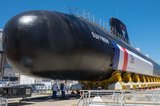
![Naval Group’s Barracuda bid could deepen Franco-Greek naval alignment]()
Naval Group’s Barracuda bid could deepen Franco-Greek naval alignment
As the Hellenic Navy looks to replace its ageing submarines with a next-generation fleet, other likely contenders for the programme include TKMS, Saab, Fincantieri, Navantia and Hanwha Ocean.
-
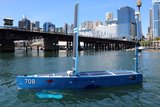
![Australia is ramping up its uncrewed surface fleet as Sea Archer lines up for key requirement]()
Australia is ramping up its uncrewed surface fleet as Sea Archer lines up for key requirement
As advances in uncrewed technology increasingly shape Australia’s maritime future, Shephard spoke with the country’s head of navy capability and a Leidos Australia executive about the operational advantages behind the shift.
-
![What does Saab’s operations shake-up mean for its new ‘Naval’ chapter?]()
What does Saab’s operations shake-up mean for its new ‘Naval’ chapter?
Saab’s merger of its Kockums and Naval Combat Systems divisions into a single business area called Naval, effective 1 April 2026, aims to enhance efficiency, innovation and competitive positioning in the naval sector.