


US Navy to acquire and test uncrewed surface vessel prototypes by the end of FY2026
The new autonomous surface vessels are planned to be operationally fielded in FY2027, following the completion of on-water trials.


Taiwan's President Tsai Ing-wen reassured residents on 17 April that the island was secure, a day before China is set to hold live-fire drills in the narrow strait that separates the two.
Chinese officials have suggested 18 April military exercise is a warning to pro-independence advocates in Taiwan as Beijing steps up its rhetoric against any challenges to its sovereignty.
China sees self-ruling Taiwan as part of its territory to be brought back into the fold and has not ruled out reunification by force.
On 16 April, Tsai said she had told national security officials to closely monitor the ‘surrounding situation’.
Tsai said: ‘Please rest assured that we have the confidence and determination to safeguard the country's security.’ Tsai added that maintaining a peaceful ‘status quo’ across the strait was her government's mission.
When asked if the upcoming military exercise was directed at William Lai, China's Taiwan Affairs Office Director Liu Jieyi said on 16 April it was ‘an action to safeguard the sovereignty and territorial integrity of our motherland’.
Observers say 18 April planned drills also serve as a signal to Washington, which sent aircraft carrier USS Theodore Roosevelt through the disputed South China Sea in the week ended 13 April.
The region has become a potential flashpoint, with the US saying China's aggressive activities in the area pose a threat to freedom of navigation.
Washington is also Taiwan's most powerful -- thought unofficial -- ally and its biggest arms supplier.
Relations have warmed between Washington and Taipei in recent months, including the passage of a bill last month that promotes visits by officials at all levels.

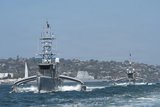
The new autonomous surface vessels are planned to be operationally fielded in FY2027, following the completion of on-water trials.
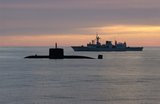
CPSP competitors are proposing platforms fitted with advanced, next-generation capabilities to be built and sustained in cooperation with the Canadian industry.
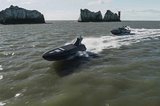
While their multibillion-dollar nuclear submarine ambitions move forward at a glacial industrial pace, all three countries are making a swifter bet: fleets of uncrewed vessels that can be built, deployed and iterated in years rather than decades.

The latest foreign military sales request from the UK has implications for the future of the programme and collaboration between the three nations.
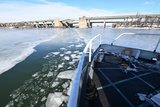
The USCG plans to award a contract this year for the construction of Homeland Security Cutters. The new vessels will replace the 60-plus-year-old fleet of Light Icebreaking Tugs.
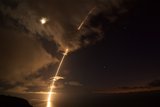
The expansion of the Redstone facility in Alabama will enable Raytheon to increase production of Standard Missiles in the location by 50% and support Washington in refilling stockpiles after recent operations have depleted the Pentagon’s reserves.

Connect with us on socials


