Taiwan reinvigorates its asymmetrical approach to naval warfare
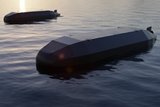
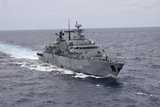
The ROCN took possession of the 3,250t Da Wu, the first of a new class of rescue and salvage vessels, on 23 October. (Photo: CSBC)
The threat from China has prompted Taiwan’s naval forces to shift from traditional naval structures to a more balanced strategy blending asymmetric defences with conventional platforms.


Taiwan faces an existential threat from China as People’s Liberation Army (PLA) aircraft and warships harass the island on a daily basis. The Republic of China Navy (ROCN) is confronting both grey-zone tactics and the threat of a Chinese blockade or full-blown invasion.
A ‘porcupine’ strategy, promulgated in Taiwan’s 2018 Overall Defense Concept policy, called for platforms and asymmetric capabilities to deter a Chinese invasion. This strategy, however, was not wholeheartedly pursued, and the concept disappeared from subsequent Ministry of National Defense (MND) documents.
The ROCN continued to field a traditionally structured navy, but there are renewed signs that the
Our news & analysis is now part of Defence Insight®
A Basic-level or higher Defence Insight subscription is now required to view this content.


More from Naval Warfare
-
![RTX confirms US Marine Corps and US Navy acquire Hadalus UUV]()
RTX confirms US Marine Corps and US Navy acquire Hadalus UUV
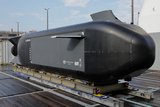
RTX told Shephard that the Hadalus UUV has been procured by the US Marine Corps and the Office of Naval Research for operational experimentation as the company prepares additional demonstrations with the US Navy, NATO and AUKUS partners.
-
![Europe’s naval contractors benefit from growing refit and upgrade demand]()
Europe’s naval contractors benefit from growing refit and upgrade demand
Rheinmetall’s order to modernise the German Navy frigate Bayern points to a wider European shift towards extending warship service life as new-build programmes face delay.
-
![The UK joins the movement towards joint procurement]()
The UK joins the movement towards joint procurement
The UK will spend an estimated US$3.89 billion over the next decade in joint naval programmes, a lot of which will be in cooperation with Norway.