Second rMCM vessel begins sea trials, advances autonomous minesweeping
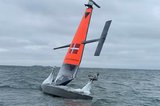
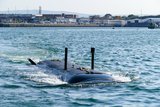
The Vlissingen on its sea trials in March 2025. (Photo: Belgium Naval & Robotics)
The rMCM programme will ultimately comprise of 12 vessels, six each working for the Belgian and the Royal Netherlands Navy.


The Vlissingen, the second vessel in the Belgian-Dutch remote mine countermeasures (rMCM) programme has begun its sea trials phase before being sent into service.
The 12-vessel programme, with six ships each being designated to the Belgian Navy and the Royal Netherlands Navy, was launched in 2023, as an intended replacement for the ageing Tripartite-class MCM vessels.
The first of the vessels destined for the Belgian Navy, the Oostende, began its sea trials in July 2024.
That ship is currently undergoing trials of its combat system in the Naval Group shipyard in Lorient, and is expected to
Our news & analysis is now part of Defence Insight®
A Basic-level or higher Defence Insight subscription is now required to view this content.



More from Naval Warfare
-
![From the Baltic to the Gulf: where USV procurement is heading next]()
From the Baltic to the Gulf: where USV procurement is heading next
Saildrone’s new Copenhagen base is one sign of a larger shift, as navies globally turn to uncrewed vessels for surveillance and mine clearance.
-
![Israeli Navy looks to expand as war reshapes future force requirements]()
Israeli Navy looks to expand as war reshapes future force requirements
Israel’s navy is preparing for a larger and more technically diverse role, but its ambitions could be impacted by supply chain restrictions, accelerating demand for domestic naval production as well as autonomous maritime capabilities.
-
![Quantum sensing gathers pace as navies eye undersea advantage]()
Quantum sensing gathers pace as navies eye undersea advantage
As AI dominates defence conversations, industry increasingly points to quantum sensing as the technology set to change submarine and uncrewed underwater vehicle operations.