Sagem-led consortium unveils anti-piracy system
The Autoprotection consortium has unveiled its new fully-integrated anti-piracy system called BlueDome at the Euromaritime exhibition, held on 3-5 February in Paris, France. Sagem leads and coordinates this French consortium.
BlueDome is a non-lethal and graduated anti-piracy system for commercial ships, offering successive protective barriers during all the attack phases.
These barriers include long-range detection of small vessels, their behaviour analysis, a day/night optronic turret for identification and remote deterrents such as acoustic devices and light projectors. They also include smoke grenades and water cannons as anti-boarding measures and ballistic protection of the vulnerable locations and areas of crew members.
The system automatically analyses the situation and also manages all barrier systems and devices. Crew members can monitor the situation and approve recommended actions through a tablet interface.
The system’s effectors and sensors can also be remotely operated from any secure area on the ship. BlueDome is being demonstrated at present in an at-sea trial on board the SeaOwl-owned training vessel, VN – Partisan.
The consortium also includes Thales, SeaOwl, Sofresud, Lacroix, Ecole Nationale Supérieure Maritime, Eca Group, Bureau Veritas and Amefo.



More from Naval Warfare
-
![Dreadnought Phase 4 opens £2.5 billion supply chain opportunity]()
Dreadnought Phase 4 opens £2.5 billion supply chain opportunity
The UK government’s £8.4 billion Dreadnought Phase 4 investment sets aside £2.5 billion for the wider submarine supply chain, opening new work beyond BAE Systems’ prime contract.
-
![Hanwha Ocean deepens US ties and eyes Saudi submarine prospect after Canada setback]()
Hanwha Ocean deepens US ties and eyes Saudi submarine prospect after Canada setback
Hanwha Ocean is deepening ties with the US and eyeing a submarine opportunity in Saudi Arabia, as South Korea looks to convert its Canadian defeat into export momentum.
-
![A400M trial demonstrates airborne deployment of uncrewed surface vessel]()
A400M trial demonstrates airborne deployment of uncrewed surface vessel
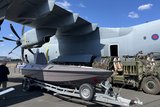
Kraken Technology Group’s A400M airdrop of a K3 Scout uncrewed surface vessel points to a new way for navies to insert USVs into contested waters, bypassing ports and motherships.
-
![From the seas to the web: the changing shape of UK defence in Southeast Asia]()
From the seas to the web: the changing shape of UK defence in Southeast Asia
As his final engagement before leaving his post as the head of the British defence staff for Southeast Asia and defence adviser to Singapore, Brigadier Eddie Maskell-Pedersen spoke with Shephard about maritime security, cyber cooperation and long-term partnerships.