Saab lays keel for first A26 submarine
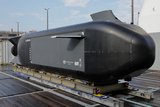
HSwMS Blekinge taking shape at Saab Kockums. (Photo: Saab)
Saab Kockums in Sweden has laid the keel for the country’s first Blekinge-class A26 submarine at its shipyard in Karlskrona.


A keel laying ceremony was held on 30 June at the Saab Kockums shipyard in Karlskrona, Sweden, for the first-in-class A26 submarine, Blekinge.
The latest milestone means the two aft-most sections of the submarines have been joined together, representing around 40% of the submarine’s final length.
Blekinge is one of three submarines in production at Kockums concurrently with the second-in-class boat and the MLU of the third Gotland-class submarine HSwMS Halland.
Saab is building the A26 submarines in five roughly equally sized segments which are then welded together working back to front.
The ceremony was attended by officials
Our news & analysis is now part of Defence Insight®
A Basic-level or higher Defence Insight subscription is now required to view this content.



More from Naval Warfare
-
![US Navy’s $275 billion BBGN plan hinges on shipyard transformation]()
US Navy’s $275 billion BBGN plan hinges on shipyard transformation
The US Navy’s planned nuclear-powered warship carries a US$275 billion price tag, but the greater story lies in the industrial overhaul needed to build it, from AI-enabled design to digital twins and modular construction.
-
![Asia-Pacific emerges as the largest export market for US-made USVs]()
Asia-Pacific emerges as the largest export market for US-made USVs
Asian customers have placed one of the largest known international purchases of US-built uncrewed surface vessels, highlighting accelerating regional demand for autonomous maritime capabilities and distributed naval operations.
-
![Europe’s naval contractors benefit from growing refit and upgrade demand]()
Europe’s naval contractors benefit from growing refit and upgrade demand
Rheinmetall’s order to modernise the German Navy frigate Bayern points to a wider European shift towards extending warship service life as new-build programmes face delay.