


UK’s $1 billion AUKUS support request signals strong ongoing US collaboration
The latest foreign military sales request from the UK has implications for the future of the programme and collaboration between the three nations.


Mk31 RAM system in USN service. (Photo: USN/Fire Controlman 2nd Class Jayce MacDonald)
Raytheon Missiles & Defense has received a $50.07 million contract modification to perform design agent and engineering support services for the Mk31 Rolling Airframe Missile (RAM) improvement programme.
Work on the deal from for Naval Sea Systems Command will be performed in Tucson, Arizona and is expected to be completed by July 2023, the DoD announced on 12 August.
The Mk31 RAM is a joint development and production programme between the US and Germany, conducted under various MoUs.
The shipboard anti-missile system comprises up to 21 Mk44 Guided Missile Round Packs and one Mk49 Guided Missile Launching System.
Onboard sensors provide the target and pointing data required to engage anti-ship missiles, fixed-wing and rotary-wing aircraft, and surface vessels.


The latest foreign military sales request from the UK has implications for the future of the programme and collaboration between the three nations.

The USCG plans to award a contract this year for the construction of Homeland Security Cutters. The new vessels will replace the 60-plus-year-old fleet of Light Icebreaking Tugs.
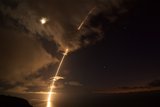
The expansion of the Redstone facility in Alabama will enable Raytheon to increase production of Standard Missiles in the location by 50% and support Washington in refilling stockpiles after recent operations have depleted the Pentagon’s reserves.
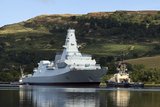
Major naval initiatives including the European Patrol Corvette programmes and Norway’s UK partnership-focused purchase of Type 26 frigates point to the growing interest in the advantages of commonality across allied navies.
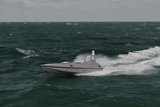
The UK Royal Navy’s rapid procurement of uncrewed platforms aligns with the force’s strategic shift towards a fleet better equipped to handle modern threats.
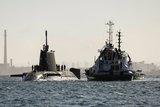
The Astute-class submarine’s visit to Australia was the first time maintenance activity on a UK Royal Navy nuclear submarine had been carried out in the country.

Connect with us on socials


