QinetiQ supports Royal Navy electronic warfare contract
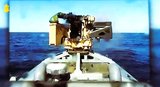
QinetiQ is working as part of the BEQ consortium alongside Babcock and Elbit Systems UK. (Photo: Elbit Systems UK)
QinetiQ is supporting RN efforts to enhance the EW capabilities of its ships.


QinetiQ will play a key role in delivering a £100 million ($136 million) next-generation EW system for the UK RN.
The company is working with Babcock and Elbit Systems UK in the BEQ consortium, which is working to deliver the RN’s Maritime Electronic Warfare Systems Integrated Capability (MEWSIC).
Central to the work is a suite of novel sensors set to improve the RN’s situational awareness.
The company said its sensing technology, combat systems integration and digitised test and evaluation experience would help achieve delivery of the project.
The BEQ consortium announced it had been awarded the MEWSIC contract in November 2021.
MEWSIC is part of the RN’s broader £500 million Maritime Electronics Warfare Programme (MEWP) covering the Daring-class Type 45 destroyers, Queen Elizabeth-class aircraft carriers, and future City-class Type 26 and Inspiration-class Type 31 frigates.
The team will also provide in-service support throughout the 13-year contract.


More from Naval Warfare
-
![Singapore expands maritime presence with future-ready Sentinel OPV]()
Singapore expands maritime presence with future-ready Sentinel OPV
Singapore is building space for uncrewed systems and future technologies into its new Sentinel-class OPVs, reflecting a wider move towards adaptable vessels capable of maintaining persistent maritime presence.
-
![From the Baltic to the Gulf: where USV procurement is heading next]()
From the Baltic to the Gulf: where USV procurement is heading next
Saildrone’s new Copenhagen base is one sign of a larger shift, as navies globally turn to uncrewed vessels for surveillance and mine clearance.
-
![Israeli Navy looks to expand as war reshapes future force requirements]()
Israeli Navy looks to expand as war reshapes future force requirements
Israel’s navy is preparing for a larger and more technically diverse role, but its ambitions could be impacted by supply chain restrictions, accelerating demand for domestic naval production as well as autonomous maritime capabilities.
-
![Quantum sensing gathers pace as navies eye undersea advantage]()
Quantum sensing gathers pace as navies eye undersea advantage
As AI dominates defence conversations, industry increasingly points to quantum sensing as the technology set to change submarine and uncrewed underwater vehicle operations.