The Nanggala tragedy and naval sustainability in southeast Asia (Opinion)
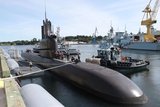
KRI Nanggala is the second of two Cakra-class diesel-electric submarines of the Indonesian Navy. (USN)
The tragic loss of an Indonesian submarine sends a timely reminder for all that submarines are more than a shiny plaything, and that they need lifetime investment.


The tragic sinking of the Indonesian submarine Nanggala, with the loss of all hands in April, brought into the spotlight the dismal force size of the archipelagic state’s navy, and raises questions regarding the state of readiness and safety of existing assets.
In the immediate wake of the mishap, Indonesian authorities vowed to get to the bottom of the causes behind the submarine’s loss.
However, even before the probe began properly — which would logically include conducting an underwater survey of the debris and inspection of critical evidence recovered from the seabed — the Indonesian authorities began circulating a
Our news & analysis is now part of Defence Insight®
A Basic-level or higher Defence Insight subscription is now required to view this content.


More from Naval Warfare
-
![Hanwha Ocean deepens US ties and eyes Saudi submarine prospect after Canada setback]()
Hanwha Ocean deepens US ties and eyes Saudi submarine prospect after Canada setback
Hanwha Ocean is deepening ties with the US and eyeing a submarine opportunity in Saudi Arabia, as South Korea looks to convert its Canadian defeat into export momentum.
-
![A400M trial demonstrates airborne deployment of uncrewed surface vessel]()
A400M trial demonstrates airborne deployment of uncrewed surface vessel
Kraken Technology Group’s A400M airdrop of a K3 Scout uncrewed surface vessel points to a new way for navies to insert USVs into contested waters, bypassing ports and motherships.
-
![From the seas to the web: the changing shape of UK defence in Southeast Asia]()
From the seas to the web: the changing shape of UK defence in Southeast Asia
As his final engagement before leaving his post as the head of the British defence staff for Southeast Asia and defence adviser to Singapore, Brigadier Eddie Maskell-Pedersen spoke with Shephard about maritime security, cyber cooperation and long-term partnerships.