


Companies downselected for British Army vehicle programme
It is believed that three companies did not make the downselect but a dark horse in Spain’s Iturri is believed to have got through.


Stinger being fired during a USMC training exercise in January 2019. (Photo: USMC/Lance Cpl Rachel Young)
Raytheon has obtained a $624.6 million contract modification from the US Army to produce FIM-92 Stinger man-portable missiles and associated equipment, according to a 27 May notice on the DoD website.
‘Work locations and funding will be determined with each order,’ the DoD stated, adding that it expects Raytheon to complete the latest work by the end of June 2026.
As reported by Shephard, US lawmakers have expressed concern that the domestic defence industry lacks the capacity to replace the considerable number of Stingers donated to Ukraine in its resistance against the ongoing Russian invasion.
Speaking on 3 May during a hearing held by the Senate Appropriations Subcommittee on Defense, for example, Republican senator Roy Blunt claimed that the US has shipped approximately 25% of its Stingers to Ukraine.
According to some estimates, it will take at least 12-24 months to restock the US inventory of Stingers.


It is believed that three companies did not make the downselect but a dark horse in Spain’s Iturri is believed to have got through.
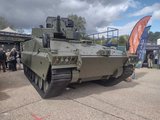
Air defence and counter-drone weapons continue to be developed, tested and demonstrated in anticipation of growing demand, with most solutions designed to be platform-agnostic and readily integrated onto suitable platforms.
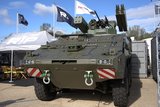
The US Army began its search for a 155mm tracked mobile tactical cannon in an effort that Shephard forecasts could be worth billions of dollars. Meanwhile, the UK DVD exhibition saw companies showcase their offerings for the British Army’s mobility and air defence requirements.
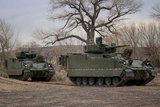
The development demonstrates how the platform could provide additional firepower and growth potential while the US Army progresses its long-term replacement for the Bradley.
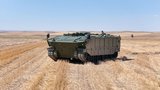
FNSS and PT Pindad are progressing the Indonesian tracked armoured personnel carrier programme as local production gets under way.
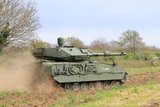
Firing trials of the Tulpar and Leonardo Hitfact Mk II combination follow an integration programme covering mechanical, electrical, electronic and software interfaces.

Connect with us on socials


