


Canada accelerates uncrewed aerial system procurement for NATO and Arctic forces
Canada plans to acquire at least 120 uncrewed aerial systems through two competitions with combined funding ceilings of C$32 million.


Ukraine-based Nikolaev Armoured Plant (MBTZ, a subsidiary of Ukroboronprom) confirmed on 16 April that it has restored eight 4x4 BRDM-2L1 armoured reconnaissance patrol cars.
The new upgrades include the latest navigation and communications software as well as thermal imaging night control systems. The interior of the vehicle has also been improved for crew comfort and it has been fitted with reinforced side hatches.
Yuriy Kravchenko, Director of the MBTZ, said: ‘Even in quarantine and emergency situations in the country, we did not stop production… As soon as a new agreement with the MoD of Ukraine was signed, we almost immediately shipped [the vehicles] to our military with improved performance.’
The BRDM-2L1 can transport troops whilst also transporting some specialised weaponry.


Canada plans to acquire at least 120 uncrewed aerial systems through two competitions with combined funding ceilings of C$32 million.
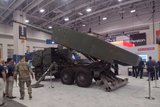
New counter-drone technologies, autonomous launchers and manufacturing modernisation initiatives highlighted emerging opportunities for defence suppliers, while the UK advanced a major military vehicle procurement programme.

Non-US companies are increasingly looking to establish subsidiary and partnerships to access the potential billions of dollars of vehicle and land systems contracts and there has already been some success.
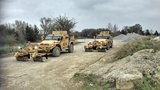
Pearson Engineering has provided equipment and engineering expertise to the Armed Forces of Ukraine since the beginning of the full-scale Russian invasion in 2022. The British company is now working to deepen engagement with the Ukrainian defence industry, expanding its support for the country’s population and laying the foundations for future technological innovation.
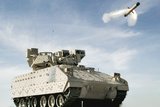
Rather than developing entirely new weapons, defence companies are looking to build on existing weapons and systems to deliver greater capability, control costs and accelerate fielding.
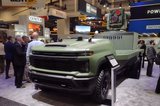
With a production rate of more than 10 million vehicles annually, the US commercial car and vehicle manufacturing base is second only to China. Defence companies are looking at how the vehicles, technology and manufacturing capability can support programmes.

Connect with us on socials


