


Canada accelerates uncrewed aerial system procurement for NATO and Arctic forces
Canada plans to acquire at least 120 uncrewed aerial systems through two competitions with combined funding ceilings of C$32 million.


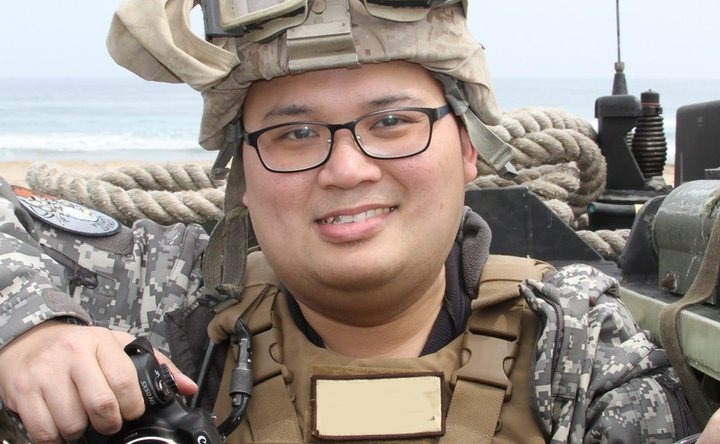
The 5.56mm XT-112 rifle is a new weapon from the 205th Arsenal. (Photo: Charles Au)
The state-owned 205th Arsenal of the Taiwan Armaments Bureau revealed its newest assault rifle design, the XT-112 of 5.56x45mm calibre, during TADTE 2023 in Taipei.
This project began in 2020, and this was the first time for the XT-112 to appear to the public. The rifle has a 600m effective range, and its design incorporates human factors and ergonomic design.
Overall, it follows the bloodline of preceding T65 and T91 rifles, since the XT-112 continues to use the AR piston concept.
Its magazine capacity is 30 rounds, and a shell deflector permits left-handed shooters to use the weapon safely. The
Our news & analysis is now part of Defence Insight®
A Basic-level or higher Defence Insight subscription is now required to view this content.

Canada plans to acquire at least 120 uncrewed aerial systems through two competitions with combined funding ceilings of C$32 million.

New counter-drone technologies, autonomous launchers and manufacturing modernisation initiatives highlighted emerging opportunities for defence suppliers, while the UK advanced a major military vehicle procurement programme.

Non-US companies are increasingly looking to establish subsidiary and partnerships to access the potential billions of dollars of vehicle and land systems contracts and there has already been some success.

Pearson Engineering has provided equipment and engineering expertise to the Armed Forces of Ukraine since the beginning of the full-scale Russian invasion in 2022. The British company is now working to deepen engagement with the Ukrainian defence industry, expanding its support for the country’s population and laying the foundations for future technological innovation.
Rather than developing entirely new weapons, defence companies are looking to build on existing weapons and systems to deliver greater capability, control costs and accelerate fielding.

With a production rate of more than 10 million vehicles annually, the US commercial car and vehicle manufacturing base is second only to China. Defence companies are looking at how the vehicles, technology and manufacturing capability can support programmes.

Connect with us on socials


