


Canada accelerates uncrewed aerial system procurement for NATO and Arctic forces
Canada plans to acquire at least 120 uncrewed aerial systems through two competitions with combined funding ceilings of C$32 million.


Rheinmetall has introduced a new Infantry System designed to bring its Future Soldier–Expanded System (IdZ-ES) and other sensors and effectors together into the networked-enabled operations loop.
The Infantry System has been designed to enhance the combat performance of dismounted troops in connection with unmanned systems and fire support elements. Based around the infantryman, the system brings individual components, including weapons, unmanned systems and vehicles, into a single system where all components share a common picture of the battlefield.
The modular IdZ-ES soldier system, paired with Rheinmetall’s TacNet command and control technology, forms the backbone of the Infantry System. Other systems, such as the RS556 modular assault rifle and RS40 add-on grenade launcher, the Boxer wheeled armoured vehicle with Lance turret, and the Multi Mission unmanned ground vehicle, can be networked in.
The company has developed the system to support infantry forces’ need to be able to move, shoot and communicate in fast-paced, mainly dismounted operations in difficult, complex, mainly urban terrain – sometimes in extreme weather conditions. Faced with multiple symmetric and asymmetric threats, they have to be able to engage opponents with scalable, proportionate intensity.
The system is specifically designed for infantry operations in difficult terrain, including towns and cities.


Canada plans to acquire at least 120 uncrewed aerial systems through two competitions with combined funding ceilings of C$32 million.
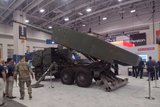
New counter-drone technologies, autonomous launchers and manufacturing modernisation initiatives highlighted emerging opportunities for defence suppliers, while the UK advanced a major military vehicle procurement programme.

Non-US companies are increasingly looking to establish subsidiary and partnerships to access the potential billions of dollars of vehicle and land systems contracts and there has already been some success.

Pearson Engineering has provided equipment and engineering expertise to the Armed Forces of Ukraine since the beginning of the full-scale Russian invasion in 2022. The British company is now working to deepen engagement with the Ukrainian defence industry, expanding its support for the country’s population and laying the foundations for future technological innovation.
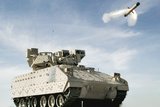
Rather than developing entirely new weapons, defence companies are looking to build on existing weapons and systems to deliver greater capability, control costs and accelerate fielding.

With a production rate of more than 10 million vehicles annually, the US commercial car and vehicle manufacturing base is second only to China. Defence companies are looking at how the vehicles, technology and manufacturing capability can support programmes.

Connect with us on socials


