


Canada accelerates uncrewed aerial system procurement for NATO and Arctic forces
Canada plans to acquire at least 120 uncrewed aerial systems through two competitions with combined funding ceilings of C$32 million.


MBDA is spearheading the development of a European BLoS network-enabled battlefield engagement capability, the manufacturer announced on 1 July.
MBDA joins 13 partners and subcontractors in five countries on the LynkEUs programme, which will be based on the Missile Moyenne Portée (MMP) land combat missile system.
John Cockerill Defense, FN Herstal, Safran and Milrem are among the industry participants.
Negotiations are under way with the European Commission for a grant agreement.
‘LynkEUs is the first cooperative project in the missile systems field leveraging on the new EU defence instruments, and the first EU defence R&D project to be coordinated by MBDA,’ said MBDA CEO Eric Béranger.
As part of the European Defence Industrial Development Programme, LynkEUs is the first technological and industrial contribution to the objectives of the Permanent Structured Cooperation (PESCO) Beyond Line Of Sight (BLOS) capability project. This project was included in a package approved by EU defence ministers in November 2018. MBDA is co-ordinating LynkEUs in partnership with the French, Belgian and Cypriot armed forces. The project seeks to define an initial operational concept for a European BLOS capability for mounted and dismounted forces.
Concepts and tests completed for the PESCO BLOS project will contribute to the development of a family of man-on-the loop BLOS missile systems with back image, based on the MMP medium-range missile, and under full control of the European defence industry. These new projects could be eligible for grants from the future European Defence Fund in 2021.
As part of our promise to deliver comprehensive coverage to our Defence Insight and Premium News subscribers, our curated defence news content provides the latest industry updates, contract awards and programme milestones.


Canada plans to acquire at least 120 uncrewed aerial systems through two competitions with combined funding ceilings of C$32 million.
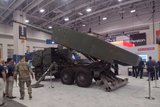
New counter-drone technologies, autonomous launchers and manufacturing modernisation initiatives highlighted emerging opportunities for defence suppliers, while the UK advanced a major military vehicle procurement programme.

Non-US companies are increasingly looking to establish subsidiary and partnerships to access the potential billions of dollars of vehicle and land systems contracts and there has already been some success.

Pearson Engineering has provided equipment and engineering expertise to the Armed Forces of Ukraine since the beginning of the full-scale Russian invasion in 2022. The British company is now working to deepen engagement with the Ukrainian defence industry, expanding its support for the country’s population and laying the foundations for future technological innovation.
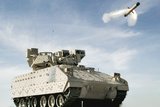
Rather than developing entirely new weapons, defence companies are looking to build on existing weapons and systems to deliver greater capability, control costs and accelerate fielding.

With a production rate of more than 10 million vehicles annually, the US commercial car and vehicle manufacturing base is second only to China. Defence companies are looking at how the vehicles, technology and manufacturing capability can support programmes.

Connect with us on socials


