


Canada accelerates uncrewed aerial system procurement for NATO and Arctic forces
Canada plans to acquire at least 120 uncrewed aerial systems through two competitions with combined funding ceilings of C$32 million.


The G36 assault rifle is the main small arm used by the Lithuanian Armed Forces (Photo: Lithuanian MoD)
The Lithuanian MoD is progressing in its effort to update the armed forces’ inventory and has acquired a new batch of G36 assault rifles. The Defence Materiel Agency of the MoD signed a €19 million ($22 million) contract with Heckler & Koch on 30 September.
The new rifles will maintain the existing capabilities of the Lithuanian forces and replace obsolete and no longer used rifles, according to a press release from the MoD.
Although the MoD did not disclose details about the number of rifles purchased, it confirmed that deliveries will start in 2022, with the last guns being handed over in 2023.
The G36 assault rifle is the main small arm used by Lithuania. The press release noted it meets the service’s requirements in terms of reliability under different tactical conditions on national and international operations.
Shephard Defence Insight notes that, in October 2018, the Lithuanian Army purchased G36 KA4M1 rifles under a contract worth US$12.6 million.
The G36 is a modular weapon made almost entirely of carbon-reinforced polymer which uses a self-regulating operating rod gas system.
It was developed in the 1990s to meet a German Armed Forces requirement for a 5.56mm assault rifle and entered service in 1997.


Canada plans to acquire at least 120 uncrewed aerial systems through two competitions with combined funding ceilings of C$32 million.
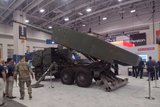
New counter-drone technologies, autonomous launchers and manufacturing modernisation initiatives highlighted emerging opportunities for defence suppliers, while the UK advanced a major military vehicle procurement programme.

Non-US companies are increasingly looking to establish subsidiary and partnerships to access the potential billions of dollars of vehicle and land systems contracts and there has already been some success.

Pearson Engineering has provided equipment and engineering expertise to the Armed Forces of Ukraine since the beginning of the full-scale Russian invasion in 2022. The British company is now working to deepen engagement with the Ukrainian defence industry, expanding its support for the country’s population and laying the foundations for future technological innovation.
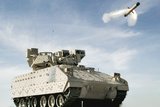
Rather than developing entirely new weapons, defence companies are looking to build on existing weapons and systems to deliver greater capability, control costs and accelerate fielding.

With a production rate of more than 10 million vehicles annually, the US commercial car and vehicle manufacturing base is second only to China. Defence companies are looking at how the vehicles, technology and manufacturing capability can support programmes.

Connect with us on socials


