Germany joins CAVS 6x6 AFV R&D programme
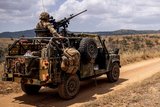
CAVS may be the answer to Germany’s efforts to replac its AFV fleet. (Photo: Patria)
The Common Armoured Vehicle System (CAVS) programme started in 2019 involving Finland, Estonia, Latvia and Sweden. Germany has now been joined in the research and development (R&D) phase.


Germany has joined the R&D phase of the multinational CAVS Patria 6x6 AFV alongside existing participating nations Finland, Latvia, Estonia and Sweden.
Under the the agreement, Germany will have access to the results of the product development packages created within the programme and will be in a position to co-define the requirements for future mission variants.
Within the CAVS programme, the 6x6 armoured vehicle system development has been led by Patria with the intention that a substantial majority of supply of the vehicles is conducted by utilising the member nations’ local industry capabilities.
Germany will bring a substantial industrial capability to the programme through Rheinmetall and Krauss-Maffei Wegmann.
Shephard Defence Insight has estimated that Germany would seek to procure around 350 units based on the required force levels and Germany’s soon-to-retire APC stock.
Based on its proposed configuration it is likely the CAVS programme will to be targeted toward Germany’s wheeled APC fleet, especially the TPz1 Fuchs variants.
Germany has approximately 940 units of such vehicles expected to retire in 2025 but the German government has already acquired 400 Boxer APCs to modernise its wheeled APC inventory.
Earlier this week plans were unveiled by Patria to carry out vehicle improvements as part of a move towards production standard vehicles, while Finnish minister of defence Antti Häkkänen also authorised the start of procurement of vehicles from Patria.
Related Equipment in Defence Insight



More from Land Warfare
-
![How joint ventures are expanding Rheinmetall's munitions portfolio (video)]()
How joint ventures are expanding Rheinmetall's munitions portfolio (video)
Roman Köhne, CEO of Rheinmetall's Weapon and Ammunition Division, discusses the company's announcements at Eurosatory 2026, including developments in defence technology, precision systems, industrial partnerships and future capability programmes.
-
![Canada reveals first requirements for future long-range air-to-air missile]()
Canada reveals first requirements for future long-range air-to-air missile
Exclusive: Ottawa says its future NORAD interceptor must be highly stealthy, resistant to jamming and capable of engaging threats at very long range, while leaving the competition open to domestic and international suppliers.
-
![July land forces roundup: UK outlines spending with details unveiled on Eurosatory vehicles]()
July land forces roundup: UK outlines spending with details unveiled on Eurosatory vehicles
Analysis of the long-awaited UK Defence Investment Plan, which was finally released on 30 June, revealed scant investment in platform replacement for the British Army. The bright spot in July, however, was a multibillion-dollar contract awarded for the British Army’s Collective Training System.