


Canada accelerates uncrewed aerial system procurement for NATO and Arctic forces
Canada plans to acquire at least 120 uncrewed aerial systems through two competitions with combined funding ceilings of C$32 million.


FLIR Systems has developed a new version of its handheld explosives trace detector called the Fido X4.
The Fido X4 uses FLIR Systems’ TrueTrace detection technology which features a new five-channel sensor array for expanded threat coverage. TrueTrace can accurately detect a wide range of explosives at nanogram to sub-nanogram levels – including military, commercial, improvised and homemade explosives – allowing users to gain actionable intelligence through identification of threats in as little as ten seconds.
The system can be integrated with the FLIR PackBot UGV via a kit, to provide an explosive ordnance and bomb disposal capability. Fido’s multi-platform adaptability will allow users to switch the device from handheld operation to unmanned systems for standoff threat detection.
Weighing three pounds, the Fido X4 is designed for extended operations of up to 16 hours with two eight-hour, hot-swappable batteries. X4’s new simplified user interface features on-board video tutorials, user prompts and colour-coded alarms with strength indicators for quick and decisive operation.
David Ray, president of FLIR Systems’ Government and Defense Business Unit, said: ‘Our new Fido X4 is mission-ready for all critical security applications – from high-volume checkpoint and randomised screenings to foot patrols and standoff operations – going wherever it is needed.
‘FLIR is committed to providing operators with intelligent sensing solutions that keep them out of harm’s way. With thousands of Fido devices already deployed in more than 40 countries, the X4 builds on a legacy of success for military and public safety personnel worldwide.’


Canada plans to acquire at least 120 uncrewed aerial systems through two competitions with combined funding ceilings of C$32 million.
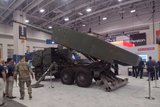
New counter-drone technologies, autonomous launchers and manufacturing modernisation initiatives highlighted emerging opportunities for defence suppliers, while the UK advanced a major military vehicle procurement programme.

Non-US companies are increasingly looking to establish subsidiary and partnerships to access the potential billions of dollars of vehicle and land systems contracts and there has already been some success.

Pearson Engineering has provided equipment and engineering expertise to the Armed Forces of Ukraine since the beginning of the full-scale Russian invasion in 2022. The British company is now working to deepen engagement with the Ukrainian defence industry, expanding its support for the country’s population and laying the foundations for future technological innovation.
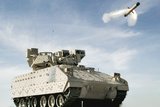
Rather than developing entirely new weapons, defence companies are looking to build on existing weapons and systems to deliver greater capability, control costs and accelerate fielding.

With a production rate of more than 10 million vehicles annually, the US commercial car and vehicle manufacturing base is second only to China. Defence companies are looking at how the vehicles, technology and manufacturing capability can support programmes.

Connect with us on socials


