


“Capital follows confidence” as defence courts private money
Outside investment and the direction in which venture money flows may reveal what defence will buy years before formal programmes begin.


A team of around ten US Marine Corps (USMC) soldiers, sailors and coastguardsmen are currently undertaking the training of Senegalese Companie Fusilier de Marine Commandos (COFUMACO), the USMC announced on 5 July.
The team was assigned to the Special-Purpose Marine Air-Ground Task Force Crisis Response-Africa and are training the forces near St. Louis, Senegal, through a nearly six-week period that began on 1 June.
The Senegalese forces are being taught small-boat operations and small-unit infantry tactics. So far, the training has been focused on operational planning, land navigation skills and combat marksmanship.
Marine Capt. Joseph Burger, officer-in-charge, said: ‘The Companie Fusilier de Marine Commandos are a Marine Corps equivalent and fall under the Senegalese Navy. The operations conducted by the COFUMACO are characterised by land and water based patrols, making proficiency in light infantry and small boat operation skills crucial.
‘The Senegalese utilise a French system for military operations. In general, the ways we both operate are similar, but there are differences. We have dealt with this issue by explaining that this is how we do business, but there are many different ways to achieve the same effect. The end state and ultimate goal of the training is the conduct of a small boat raid utilising classes and practical application over marine corps methods and procedures.’

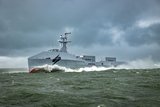
Outside investment and the direction in which venture money flows may reveal what defence will buy years before formal programmes begin.
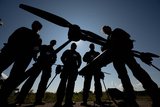
The Department of National Defence expects initial contracts to deliver thousands of uncrewed systems, but has yet to establish the quantities, capability mix or deadline behind Ottawa’s promised tenfold expansion.
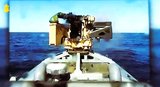
The company told Shephard that Ukraine is operating modified Protector weapon stations originally supplied for armoured vehicles, with human operators authorising engagements from hundreds of kilometres away.

A report from the Council on Geostrategy argues the UK should move away from a traditional balanced force and shift investment to naval, air and space capabilities, backed by a larger fleet of attack submarines and deeper AUKUS integration.

At its technology summit in London, attended by Shephard, Thales UK examined the importance of speed to delivery, the growing focus on cross-domain capabilities and how procurement reform could be crucial for future battlefield advantage.

Are all systems ready for the next mission? Have upgrades been applied? Are all assets aligned to deploy together, on time and fully prepared? In modern defence operations, readiness is no longer measured platform by platform. It is measured by how well people, assets, data and decisions move together — across land, sea and air.

Connect with us on socials


