USAF orders follow-on ICBM support
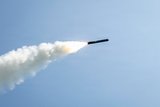
Minuteman III pictured in a February 2021 operational test launch. (Photo: US Space Force/Tech Sgt Brittany Murphy)
BAE Systems Technology Solutions & Services has been awarded a contract with a potential value of $12 billion from the USAF Nuclear Weapon Center to continue providing integration and engineering services for intercontinental ballistic missiles (ICBMs).
Work on the contract is expected to be completed at Hill AFB, Utah, by December 2040.
The main function of the Integration Support Contract (ISC) 2.0 is to support the LGM-30 Minuteman III, the next-generation LGM-35A Sentinel missile and any future ICBM developed during the term of the contract.
BAE Systems has acted as the prime contractor for the ISC since 2013.
More from Defence Notes
-
Why small guns have been critical to layered CUAS architectures
Multiple countries have been deploying small arms as the last line of drone defence due to their multiple operational and tactical advantages.
-
High tension in the High North – a wake-up call for NATO’s future Arctic defence efforts?
Any potential ‘Arctic Sentry’ mission would be months in the planning, but with tensions high in the region given the US’s push for Greenland, NATO countries will need to continue to emphasise their commitment to the region, analysts have said.
-
Venezuela prepares personnel and equipment for a potential second US attack
Defence Minister Gen Vladimir Padrino López has declared that the Venezuelan armed forces “will continue to employ all its available capabilities for military defence”.
-
As the new year starts, the UK defence spending delay continues
The UK’s defence spending commitments remain uncertain as the government’s Defence Investment Plan, which had been due by the end of 2025, is yet to be published.
-
How might European countries look to tackle drone incursions?
Disruption of infrastructure in Europe, whether by cyberattack, physical damage to pipelines or uncrewed aerial vehicles flying over major airports, as has happened more recently, is on the rise. What is the most effective way of countering the aerial aspect of this not-so-open warfare?