


The 5 most significant defence notes stories of 2022
The year 2022 saw dramatic changes in the international security landscape. These top 5 defence notes stories highlight the journey, from the UK to Ukraine.


5. Annual UK defence equipment spending jumps by more than £1 billion, deliveries nearly double
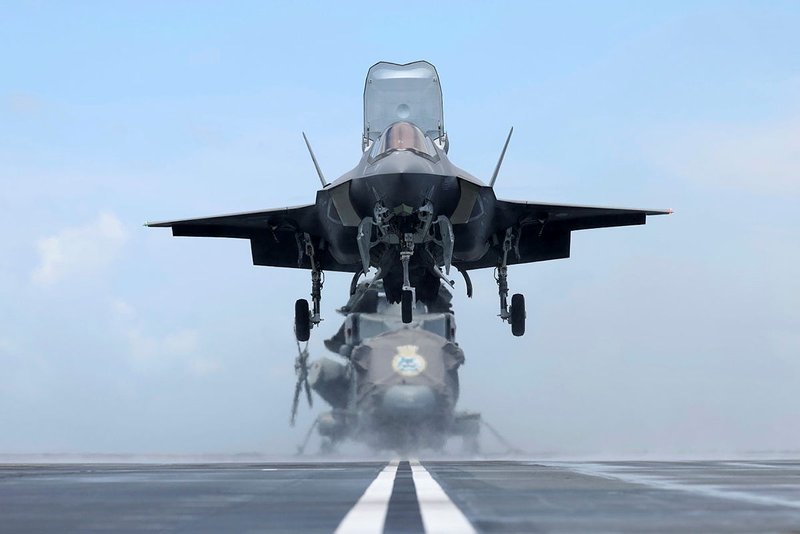
A contract agreed between DE&S and MBDA will lead to UK F-35B fifth generation fighters being equipped with SPEAR 3 air-to-surface missiles. (Photo: UK MoD)
Figures released by Defence Equipment and Support revealed that the UK increased its annual military equipment spending in 2021 by £1.2 billion ($1.6 billion) and almost doubled deliveries of new assets.
Full spending on equipment and support amounted to £11.1 billion with 1,422 new assets delivered, including three P-8A Poseidon MPAs sent to RAF Lossiemouth, according to the DE&S 2020-2021 annual report and accounts.
By comparison, the organisation spent £9.9 billion in 2019-2020 and delivered 746 assets.
Read the full story.
4. Russian equipment losses underline hardy Ukrainian resistance
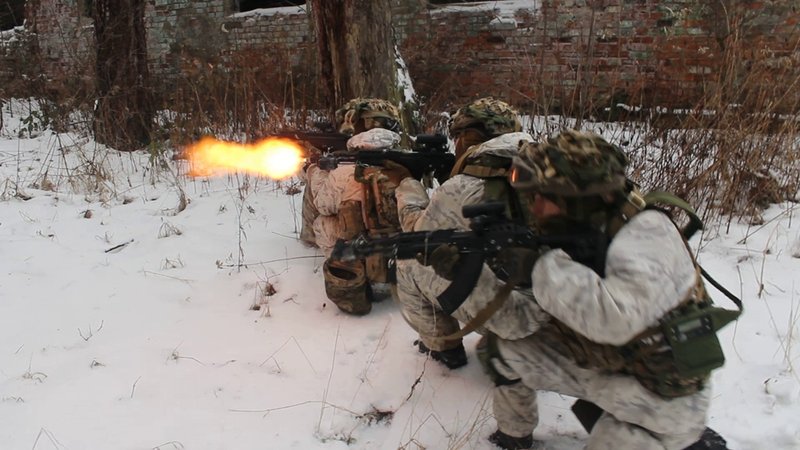
Ukrainian troops undergo combat training. (Photo: Ukraine MoD)
On 24 February, Russia invaded Ukraine. As the world watched on, spectators were initially unsure of Ukraine’s ability to defend itself.
However, since Russia launched the invasion of Ukraine, it has been met with a level of resistance powerful enough to destroy a wide range of equipment, from helicopters and fighter jets to armoured vehicles.
Read the full story.
3. Finland must apply to join NATO ‘without delay’, say president and prime minister
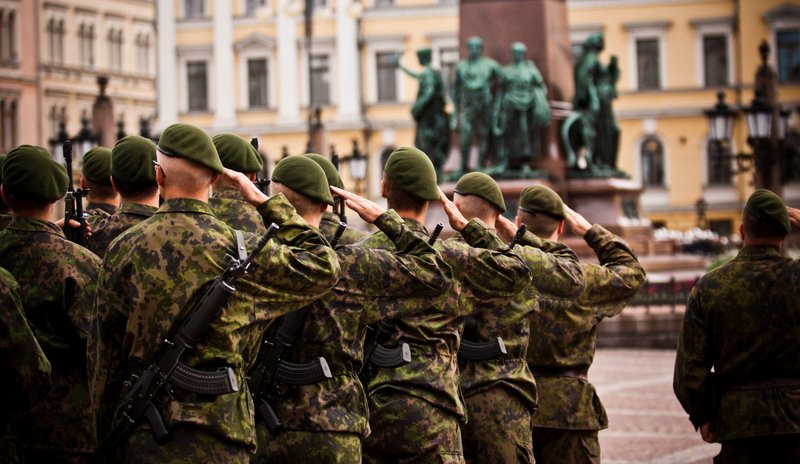
Finnish soldiers on parade. (Photo: Finnish MoD)
In reaction to the war in Ukraine, Russia’s neighbours were forced to reevaluate their approaches to security. In particular, Finland and Sweden both began the process of joining NATO.
Russian President Vladimir Putin has traditionally pursued a policy of preventing non-aligned European countries from joining NATO; indeed, one of his false justifications for invading Ukraine was the unfounded allegation that Kyiv was hellbent on becoming a full member of the alliance.
Read the full story.
2. Post mortem of Afghan collapse apportions blame all around
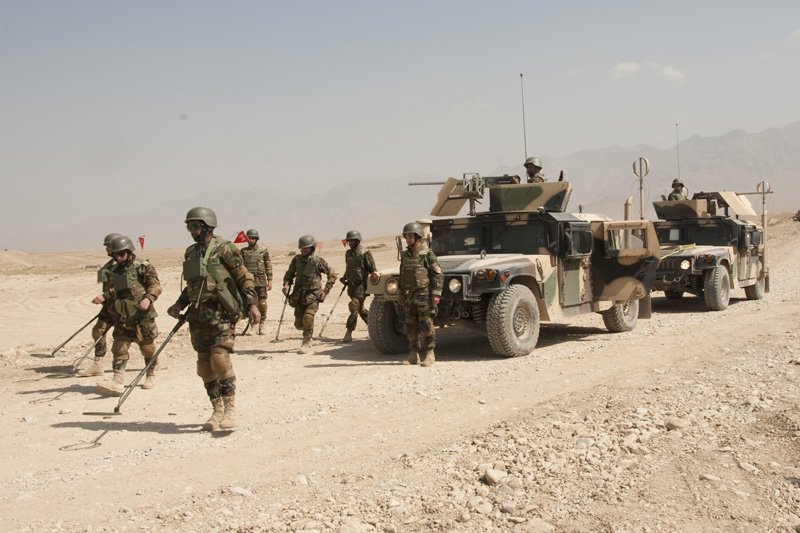
Soldiers of the former Afghan National Army train in counter-IED techniques. (Photo: ISAF)
While the geopolitical situation in 2022 did not leave much breathing room for analysts, as many focused on the Ukraine conflict, it did allow for a clearer picture of the withdrawal from Afghanistan to form.
In May, a US Special Inspector General for Afghanistan Reconstruction (SIGAR) report was issued detailing reasons why the Afghan National Defence and Security Forces (ANDSF) collapsed so rapidly before the Taliban.
The document – entitled ‘Collapse of the Afghan National Defense and Security Forces: An Assessment of the Factors That Led to Its Demise’ – was damning of US efforts to build the ANDSF.
Read the full story.
1. The Disintegrating Review: where next for the UK?
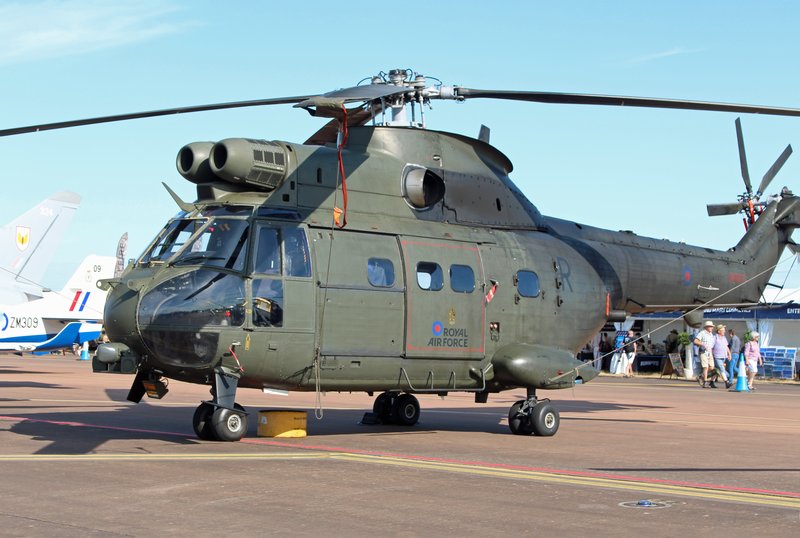
The MoD’s NMH programme will replace the Griffin HAR2, Bell 212, AS365 and the Puma HC2 (pictured). (Photo: Trevor Nash)
The Integrated Review showed that the UK is not short of strategic documents outlining ambitious plans for its armed forces, but the ever-changing threat landscape poses a different set of questions and
In essence, the document argues that innovative technologies are more effective than pure numbers when it comes to defeating an enemy. However, the UK still needs a consistent, long-term vision of its role in the world and its defence posture.
Read the full story.



More from Defence Notes
-
![US speeds up B61-13 nuclear bomb production as programme moves further ahead of schedule]()
US speeds up B61-13 nuclear bomb production as programme moves further ahead of schedule
The US government plans to accelerate production even further after achieving key B61-13 milestones months ahead of schedule, as the programme advances amid growing US-China strategic competition.
-
![Canada’s C$2 billion ACSV deal reinforces new defence industrial strategy as allies align]()
Canada’s C$2 billion ACSV deal reinforces new defence industrial strategy as allies align
General Dynamics Land Systems-Canada is the country’s first strategic partner under the Defence Industrial Strategy’s Strategic Partnership Framework, an effort to provide companies with confidence to invest and boost the defence labour force.
-
![New UK armed forces minister frames High North defence as vital to “homeland security”]()
New UK armed forces minister frames High North defence as vital to “homeland security”
The UK’s Minister for the Armed Forces Louise Sandher-Jones made her first appearance in the role before the House of Commons Defence Committee this week to highlight efforts to improve capability in the High North.
-
![Canada seeks to strengthen industrial ties with the US on classified programmes]()
Canada seeks to strengthen industrial ties with the US on classified programmes
Ottawa explores expanding defence-industrial cooperation with Washington into sensitive programmes, an approach that could reshape NORAD modernisation, strengthen North American supply chains and create new opportunities for defence contractors.






